What really makes coffee beans different?
but has never looked closer
Can't play sound? The illustrated version is right below.
Read the transcript
The full narration of the video.
A viewer, 'Aliens Need Sleep Too', asked: what really makes coffee beans different? And where do all those flavors come from? Walk into a coffee shop and read the menu. One cup says blueberry and jasmine; another says dark chocolate and nuts. But there isn't a single blueberry in the cup. Every one of those flavors came from the bean itself.
Let's follow one coffee bean from the tree to your cup. Let's see where along the way it picks up its flavor. A coffee bean is really the seed of a small red fruit. Most fruits hold two of them. There are more than a hundred wild kinds of coffee tree. But almost everything we drink comes from just two.
One is Arabica, from the mountain forests of Ethiopia. It dislikes heat, so it's mostly grown high up where it's cool. The other is Robusta. Tough, disease-resistant and heavy-cropping, it grows happily even at low altitude. Take the raw beans apart and compare. Robusta has nearly twice the caffeine of Arabica. Arabica holds more sugar and more oil.
Caffeine is bitter, so Robusta tastes harsher and stronger. Arabica is sweeter, with a much wider range of aromas. So the first stop is settled: the kind of tree sets the bean's basic character. Yet the same Arabica, grown on different mountains, still tastes different.
The higher the mountain, the cooler the air, and the slower the fruit ripens. The bean grows denser and builds up more complex flavor. Soil, rain and sunshine all get written into the bean. That's why a coffee bag always tells you where it was grown. Once the fruit is picked, the seeds have to come out of the flesh. There are two main ways to do it.
One: strip off the skin and pulp, let the beans ferment in water, then wash them clean. These beans taste clean and bright, often floral. Two: spread the whole fruit out to dry in the sun, then peel it. The seed stays wrapped in the fruit the whole time, and picks up a rich, fruity, sometimes wine-like taste. While it ferments, yeast and bacteria eat the sugar in the fruit, and give off new aromas.
That jasmine cup on the menu is often a washed coffee. The blueberry one is often dried whole. But at this point, the raw bean smells like grass — nothing like coffee. The real coffee aroma comes from roasting. The bean is heated to around two hundred degrees. Its sugars meet the tiny building blocks of protein. It turns yellow, then brown, and starts to smell wonderful.
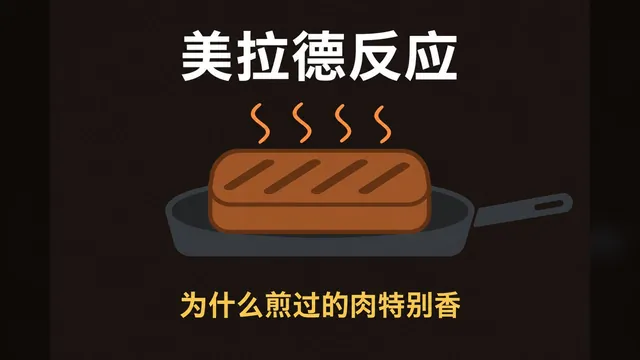
That roasting creates more than a thousand aromas. It's the same reaction that makes toast and seared steak smell so good. Roast it lightly, and the fruit and flowers survive. Roast it darker, and caramel, chocolate and bitterness take over, covering up the fruit. Back to that menu. Neither the blueberry nor the jasmine was added.
The tree set the base, the mountain added detail, the way it was peeled brought out the fruit, and one last fire turned it all into aroma. So, 'Aliens Need Sleep Too', now you know where the blueberry came from. Got something else you can't figure out? Leave it in the comments.
The menu says blueberry. The cup has none.
Walk into a coffee shop and read the menu. One cup says blueberry and jasmine; another says dark chocolate and nuts.
But nobody dropped blueberries or jasmine into the cup. Those flavors all came from the bean itself.
Let's follow one bean from the tree to your cup, and see where its flavor comes from.
A coffee bean is a seed inside a red fruit
Most coffee fruits hold two seeds. There are more than a hundred wild kinds of coffee tree, but almost everything we drink comes from just two.
Take the raw beans apart
Green is Arabica, orange is Robusta.
Robusta has nearly twice the caffeine of Arabica. Arabica holds more sugar and more oil.
Caffeine is bitter, so Robusta tastes harsher and stronger. Arabica is sweeter, with a much wider range of aromas.
The kind of tree sets the bean's basic character.
Higher up, the fruit ripens slower
The same Arabica, grown on different mountains, still tastes different.
The higher the mountain, the cooler the air and the slower the fruit ripens. The bean grows denser and builds up more complex flavor.
Soil, rain and sunshine all get written into the bean.
That's why a coffee bag always tells you where it was grown.
Washed in water, or dried whole in the sun
While it ferments, yeast and bacteria eat the sugar in the fruit and give off new aromas.
Raw beans smell like grass. Roasting makes coffee.
A freshly peeled raw bean smells like grass, nothing like coffee.
Heat it to around 200°C (about 400°F), and its sugars meet the tiny building blocks of protein. The bean turns yellow, then brown, and starts to smell wonderful. That roast creates more than a thousand aromas. It's the same reaction that makes toast and seared steak smell so good — the Maillard reaction.
Quick check
Where does the "blueberry" taste in that menu coffee come from?
Nobody adds blueberries: the tree, the mountain, the peeling (often sun-dried whole) and the roast build up aromas that smell like it.