Can't play sound? The illustrated version is right below.
The full narration of the video.
Is drinking good or bad? Drinkers have their reasons, and so do non-drinkers. First, to be fair: the joy of drinking is real. Within minutes, alcohol does two things in your brain: it hits the brakes so you relax, and hands out a reward so you feel good.
But that joy is more like a loan. A few hours later, you pay it back with interest. Many people have heard that a little drinking is good for you. But it turned out the non-drinking group included people who had quit because they were ill.
A 2023 analysis looked at more than 4.8 million people. Counted separately, light drinking didn't help anyone live longer. The World Health Organization says: no amount of alcohol is safe for health. Once you drink, your liver turns alcohol into toxic acetaldehyde, then into something harmless.
Many East Asians are born unable to do that second step well, so it builds up, and their faces turn red. A red face isn't your tolerance training. For heavy drinkers, it means a much higher risk of esophageal cancer. So is quitting hard? Yes, but not because of willpower.
Your brain has come to treat alcohol as normal. Take it away, and it pushes back: racing heart, sleepless nights, strong cravings. A safety note: if you drink heavily every day, don't stop suddenly on your own. Go to a hospital and taper off with a doctor's help. So next time you raise a glass, you'll know what you're trading for it. And if you want to drink less, you'll know help is there.
The good feeling is real,
but it's more like a loan:
a few hours later, you pay it back with interest.
Within minutes of reaching your brain, alcohol does two things:
So when drinkers say it makes them happy, they're right. The catch comes later.
Put simply: the "non-drinker" group used to include sick people, which dragged its average lifespan down.
In 2023 the World Health Organization put it plainly: no amount of alcohol is safe for your health. Alcohol is a Group 1 carcinogen, the same group as tobacco and asbestos.
"Group 1" means the evidence that it causes cancer is the strongest. It doesn't mean one drink is as harmful as one cigarette.
More than 500 million people of East Asian descent are born with this. About a third of East Asians flush when they drink.
Flushing isn't your tolerance "training." It's acetaldehyde building up. If people who flush drink heavily for years, their risk of esophageal cancer is more than ten times higher.
Yes, but not because of willpower.
After drinking regularly, your brain treats alcohol as normal. Take it away and it pushes back: racing heart, sleepless nights, shaky hands, strong cravings. Add dinners with friends, habits, and moods that trigger the urge, and it gets hard.
Good news: US research finds that about a third of people treated for alcohol problems have no symptoms a year later, and many others drink much less than before.
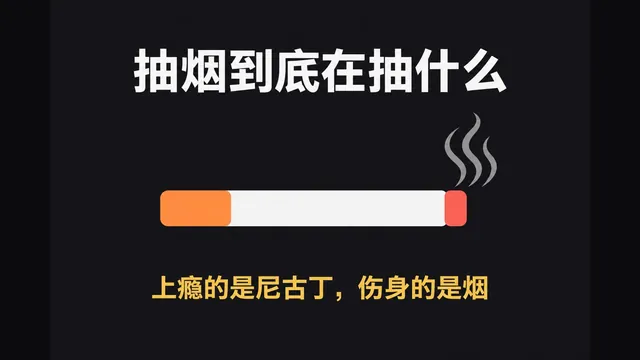
Nicotine hooks you; the smoke harms you. Why a cigarette feels relaxing, whether one a day is OK, what quitting does, and why it's hard.
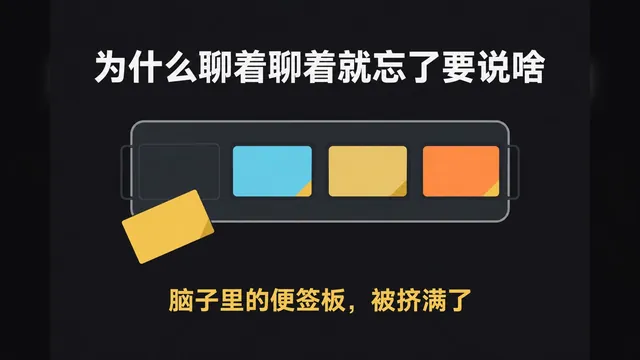
It isn't your brain breaking: the thought sits on a tiny mental sticky-note board that gets crowded in conversation, and a new topic turns the page. Plus three small tricks.

It isn't carelessness: your brain hands words to your fingers one at a time and races ahead, so one never arrives. Then it fills the gap when you reread. How to catch it.

You know the word but can't say it: your brain found the meaning, but the path to its sound is overgrown.