
Can't play sound? The illustrated version is right below.
The full narration of the video.
One kettle, two glasses. One goes in the fridge, the other just sits on the table. A while later, take a sip. The cold one tastes clean and crisp. The warm one has a funny taste you can't quite name. Same water, same kettle. So what changed? Let's follow one sip and find out.
First stop: the glass. The water you drink isn't just water. Tap water and mineral water carry tiny amounts of minerals, like calcium and magnesium. Tap water also has a little chlorine, added to keep it clean. Water with no minerals at all actually tastes flat, like nothing.
So water always has a little taste. The question is how much of it you notice. Second stop: the tongue. It's covered in tiny taste buds, built to pick up flavor. Researchers had people taste the same water. Chilled to zero to four degrees, it tasted less of minerals than at room temperature.
Cold makes your tongue a little dull. The tiny switches for sweet and bitter work better when warm, and get lazy in the cold. That's why melted ice cream tastes extra sweet, and warm beer tastes extra bitter. Third stop: the nose. A lot of what we call taste is really smell. Pinch your nose while you eat, and the flavor fades.
Water in your mouth gives off a faint smell. It drifts up the back of your throat into your nose. The warmer the water, the more easily that smell escapes. In one study, the same water at forty-five degrees often smelled stronger of chlorine than at twenty-five. Cold water does the opposite. The smell stays locked inside, and barely gets out.
Last stop: the throat. As cold water flows past, the nerves that sense cold light up. The same ones that make mint feel cool. Scientists think the brain reads that coolness as thirst being quenched. That's why cold water feels so satisfying. Back to those two glasses. In the cold one, your tongue is dulled and the smell is locked in. Plus that thirst-quenching chill. In the warm one, the minerals and chlorine all come through.
So the water didn't change. What changed is how your mouth tastes it. Want to try it? Pour a glass of warm water, sip it with your nose pinched, then again with it open, and compare. What else have you noticed tastes different hot or cold? Tell me in the comments.
Pour two glasses from the same kettle. One goes in the fridge, one stays on the table. Later, the cold one tastes clean and crisp. The warm one has a funny taste you can’t quite name.
Same water. Let’s follow one sip from the glass to the throat and see what changes along the way.
Tap water and mineral water carry tiny amounts of minerals, like calcium and magnesium. Tap water also has a little chlorine, added to keep it clean.
Water with no minerals at all actually tastes flat. So water always has a little taste — the question is how much you notice.
Researchers had people taste the same water. Chilled to 0‑4 °C (32‑39 °F), it tasted less of minerals than at room temperature.
The tiny switches on your tongue for sweet and bitter work better when warm and get lazy in the cold. That’s why melted ice cream tastes extra sweet, and warm beer extra bitter.
A lot of what we call taste is really smell — pinch your nose while eating, and the flavor fades. Water in your mouth gives off a faint smell that drifts up the back of your throat into your nose.
The warmer the water, the more easily that smell escapes. In one study, the same water at 45 °C (113 °F) often smelled stronger of chlorine and other odors than at 25 °C (77 °F). Cold water does the opposite: the smell stays locked inside.
As cold water flows past, the nerves that sense cold light up — the same ones that make mint feel cool.
Scientists think the brain reads that coolness as thirst being quenched. That’s why cold water feels so satisfying.
The Chinese names for kiwifruit: seeds left Yichang for New Zealand in 1904, it was renamed in 1959, and the price gap comes from variety and brand, not name.
When sugar and protein bits get hot they "hold hands" and make hundreds of aromas and a golden color. Why boiling doesn't work, and four searing tips.
The fun of drinking is real, but it's a loan. Is a little good for you, what a red face means, why quitting is hard, and how to stop safely.
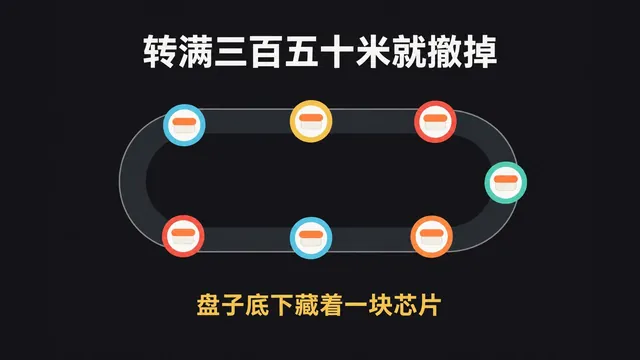
Why does sushi on a belt stay fresh? Every Sushiro plate carries a tiny chip that tracks how far it has travelled; after about 350 metres it comes off, and the same data tells the kitchen what to make.