
Can't play sound? The illustrated version is right below.
The full narration of the video.
Pick your own veggies, put the bowl on the scale, and that's a bowl of malatang. Running a shop like this looks easy, right? China has about 150,000 malatang shops. Opening one from scratch means getting through five gates. Gate one: do the math. Most of what customers pay goes to three things: rent, ingredients, and staff.
Those three eat up about seventy percent. After taxes and other costs, out of every hundred yuan, the owner usually keeps just five to ten. On a twenty-five-yuan bowl, that's about one to two and a half yuan. So you have to sell a lot of bowls. Gate two: pick the spot. Malatang lives on regulars: students, office workers, people who live nearby.
How many people walk past each day matters more than how pretty the shop is. But busy spots come with higher rent. Gate three: paperwork. First a business license, then a food business permit. Without it, you can't sell food. Staff who handle food need a checkup every year. Only with a health certificate can they start work.
Gate four: the flavor. One pot of broth and a few dozen ingredients: that's the whole business. You can make your own broth. Or you can join a chain, and pay for a ready-made recipe, a name, and a supply line. Gate five: after you open. Fresh veggies every day, a clean pot every day, an honest scale. That's how regulars are won, one bowl at a time.
The most common myth: join a big brand, and the money is guaranteed. A brand can save you some wrong turns. But the rent, the customers, and the daily grind are still on you. Next time you pick up a bowl of malatang, think about it: there's a share for the landlord, a share for the staff, and the owner's one or two yuan.
What other small business do you want to see from the inside? Tell me in the comments.
Opening a malatang shop is like passing five gates: do the math, pick the spot, get the permits, settle the flavor, and keep it going after you open.
Malatang is a pick-your-own spicy soup: you fill a bowl from a shelf of veggies, it gets weighed and cooked in broth. China has about 150,000 of these shops, and nearly 70% charge under 25 yuan (about $3.50) a person. Easy to start; hard to survive.
"About 70%" and "5 to 10 yuan" are averages across China's restaurants. Every shop is different.
Joining costs extra. At two of the biggest chains, first-year fees run about 22,000 and 31,000 yuan.
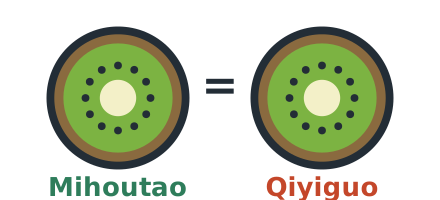
The Chinese names for kiwifruit: seeds left Yichang for New Zealand in 1904, it was renamed in 1959, and the price gap comes from variety and brand, not name.
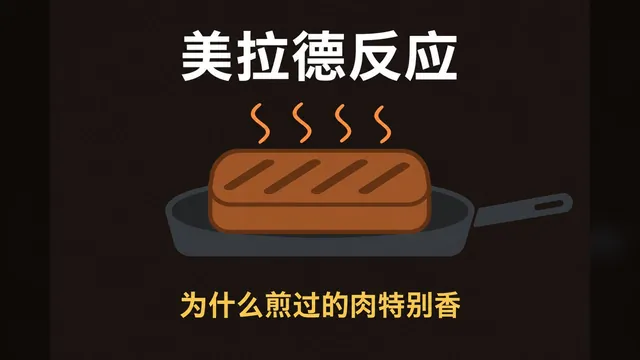
When sugar and protein bits get hot they "hold hands" and make hundreds of aromas and a golden color. Why boiling doesn't work, and four searing tips.

The fun of drinking is real, but it's a loan. Is a little good for you, what a red face means, why quitting is hard, and how to stop safely.
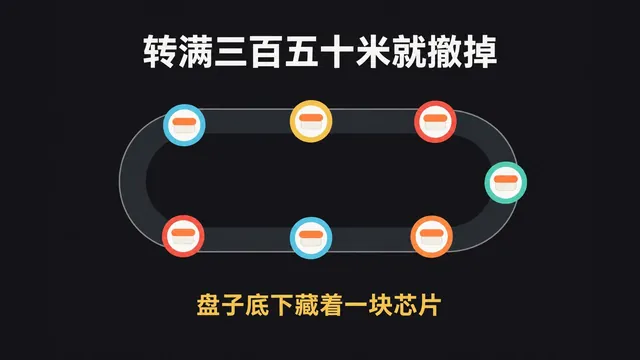
Why does sushi on a belt stay fresh? Every Sushiro plate carries a tiny chip that tracks how far it has travelled; after about 350 metres it comes off, and the same data tells the kitchen what to make.