
Can't play sound? The illustrated version is right below.
The full narration of the video.
Among people who code with AI, one name keeps popping up: Tibo. He runs core products at OpenAI. His full name is Thibault Sottiaux. First, Codex. It's OpenAI's coding assistant: say what you want, and it writes the code.
But you can't use it without limit. Your allowance works like two batteries. One covers five hours, the other a whole week. When they run out, you wait. But when Tibo posts that he's reset the limits, everyone's batteries refill at once.
Why reset? Sometimes it's an apology — when the service slows down or breaks. Other times it's a celebration — a new model launches, and everyone gets to try it freely. Fans built a website to track it. As of September 26th, 57 resets have been verified.
But there's no schedule. Anyone who says he resets every Friday is guessing. So next time someone shouts "Tibo reset again!" you'll know: everyone's AI batteries just refilled together.
Tibo is the head of product at OpenAI. The moment he posts "reset," everyone's AI usage allowance refills to full.
His full name is Thibault Sottiaux; Tibo is what everyone calls him.
Handy, but not unlimited. Like a phone data plan, there's an allowance in your package.
Fans built a dedicated website to track it: as of the reset on September 26, 57 resets have been verified.
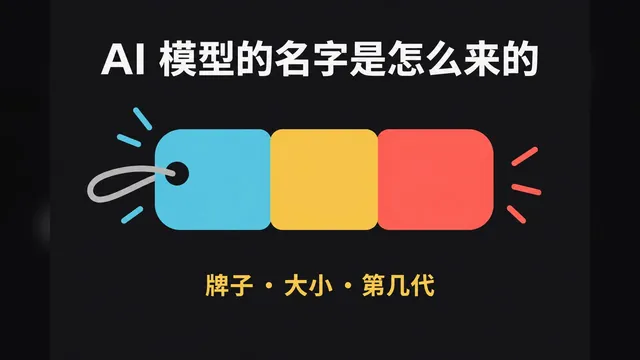
Claude, GPT, Gemini, Qwen: every model name is three pieces — whose it is, how big, which version. And each brand has a story.
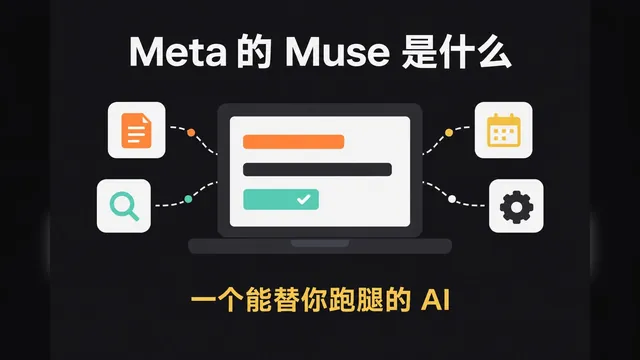
Earlier AI answered questions; Muse gets things done: email, trips, forms, payments. How it works, what it costs, and what to think about first.

The smartest AI comes last: say what you want first, then let each picture pass through cheap checks before expensive ones.
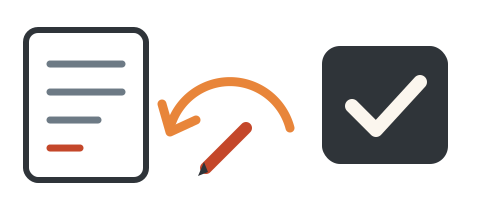
When an AI keeps failing in the same place, the fix is often not the AI: let a second AI review old mistakes and suggest edits, and a human approves.