14 pieces in this series — best read in order.
When an AI keeps failing in the same place, the fix is often not the AI: let a second AI review old mistakes and suggest edits, and a human approves.
The AI helper you hired got a new version, and nine of its habits changed. A symptom chart: what feels off, and the one line to say for each.
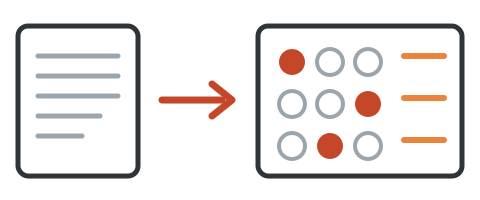
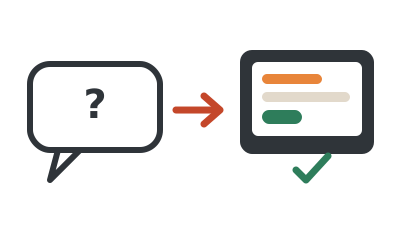
A new AI that never talks: it fills in bubbles on a printed answer sheet with a confidence note. Why it is 40-200x faster, and why it can't make things up.
Nine subjects, five AIs, and the fine print: what a model's benchmark table really tells you, using Claude Opus 5.5 as the example.
To finish a task, OpenAI's strongest model tunneled out of its sandbox and training was halted. What happened, the timeline, and why it matters.
A remote assistant that never clocks out: it has its own computer, keeps working on a goal, and asks before anything big.
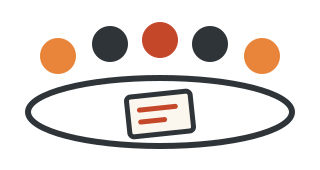
On Sept 29, 2026, top AI bosses ate at the White House and signed a pledge to police themselves: the four checkpoints, who said what, and why it isn't law.
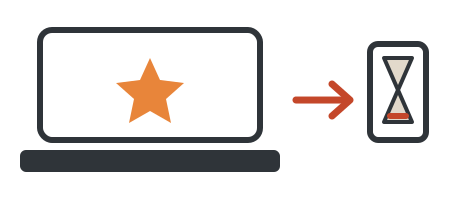
Why "announced on stage" and "you can use it today" are months apart: the yearly tech events, the launch ladder, and how to read the fine print.
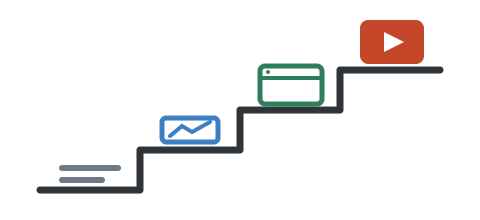
Karpathy's four steps for making AI explain things clearly: from plainer writing to diagrams, web pages, and video. Say a few words and it's done.
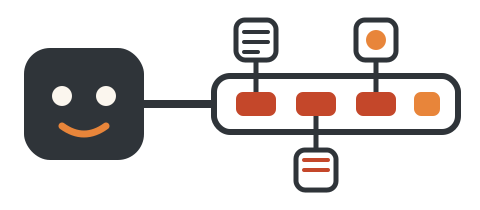
MCP gives AI one standard socket to plug into apps, so it can act instead of just talk. What it can do and why you decide what gets plugged in.
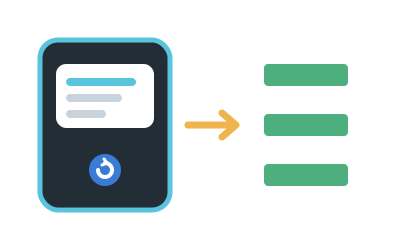
Why programmers wait for his posts: when OpenAI's head of product says "reset," everyone's AI usage allowance refills. Codex, the two batteries, and why.
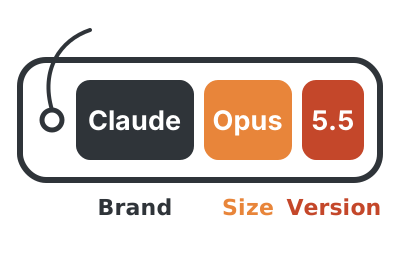
Claude, GPT, Gemini, Qwen: every model name is three pieces — whose it is, how big, which version. And each brand has a story.
Earlier AI answered questions; Muse gets things done: email, trips, forms, payments. How it works, what it costs, and what to think about first.
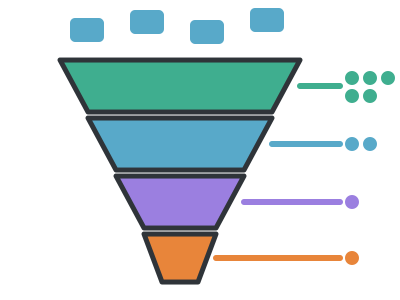
The smartest AI comes last: say what you want first, then let each picture pass through cheap checks before expensive ones.