
Can't play sound? The illustrated version is right below.
The full narration of the video.
The moment you open the door, your dog leaps at you, tail going wild. That burst of joy: what is it like for a human? You can't measure joy directly. But what happens in a dog's body, scientists can. Scientists in Sweden left dogs home alone. Sometimes for half an hour, sometimes two hours, sometimes four.
After two or four hours away, the dogs wagged harder and pressed closer than after just thirty minutes. When the person came back and petted and talked to them, something in their bodies rose, a chemical of closeness and calm. It's called oxytocin; let's call it the closeness hormone. Scientists in Japan found more. After five to seven hours apart, when the owner comes home, a dog's eyes hold about a tenth more tears.
With people they barely know, no extra tears. And a drop of the closeness hormone in the eye makes tears rise too. Scientists in the US scanned the brains of wide-awake dogs. At the smell of their own person, the part that looks forward to good things lit up the most. In thirteen of fifteen dogs, praise lit it up as much as a treat, or even more.
So when do humans feel this? Scientists compare it to a mother and her baby. The longer a dog and its owner gaze at each other, the more closeness hormone both make. A mother and baby grow close the same way, look by look. Others gave dogs a test made for toddlers. The owner leaves, a stranger comes in, the owner returns. The dogs acted a lot like children with their parents.
So its joy is most like this: at the kindergarten gate, a little kid spots Mom or Dad coming. They run, they hug, and everything else is forgotten. It's less like payday, less like a feast. For many dogs, a kind word from you is as good as a treat. To be clear, no one can climb inside a dog's head and score its joy. What scientists compare are the same changes in the body.
And if your dog howls nonstop, wrecks things, or pees indoors whenever you leave, it may be more than missing you: it may be afraid of being alone. Ask a vet or a trainer for help. Next time you open the door and it leaps at you, you'll know. It waits for you the way you once waited for your parents to pick you up. How does your pet greet you at the door? Tell us in the comments.
It’s most like a little kid at the kindergarten gate, spotting Mom or Dad coming to pick them up.
You can’t score joy directly. This is the closest match once you compare the same changes in the body.
In 13 of 15 dogs, praise lit that spot up as much as a treat, or even more.
No one can climb inside a dog’s head and score its joy. Scientists compare the same changes: hormones, tears, the brain.
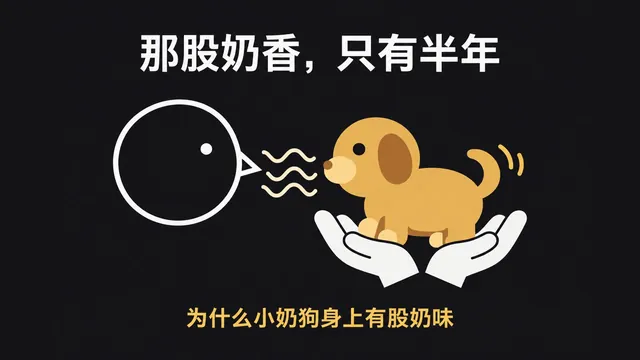
A puppy's mouth is like a new kitchen: only milk, brand-new teeth, few bacteria. By three to six months, as teeth change, the milky smell fades.
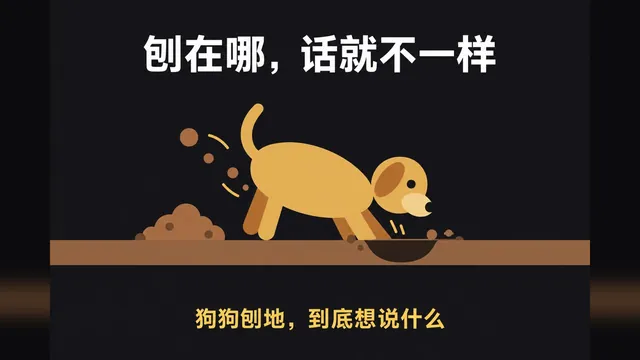
Where a dog digs is what it means: by the bathroom spot it's signing its name, in bed it's making a nest, in the yard it has a job to do.
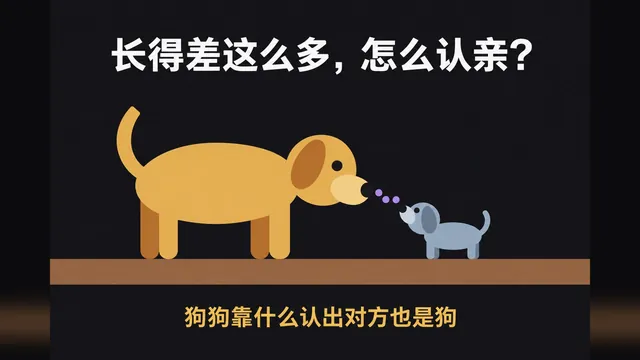
From far away, dogs spot other dogs by sight. Up close, the nose reads a scent business card that says which dog it is.
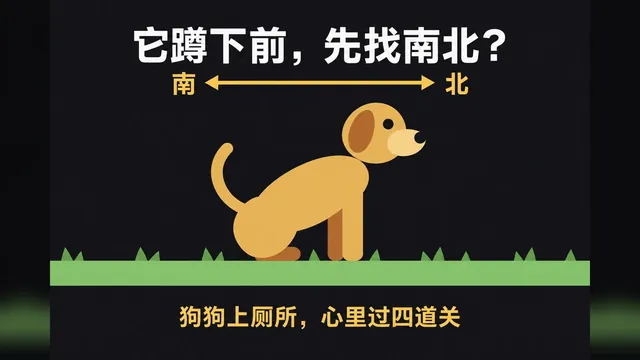
All that circling isn't stalling. Before squatting, a dog runs four checks, and often lines up north to south.