
Can't play sound? The illustrated version is right below.
The full narration of the video.
On a walk, your dog stops every few steps and sniffs a pole forever. It isn't dawdling. It's reading its mail. Your nose has about six million tiny smell sensors. A dog's has three hundred million. Scientists estimate it's ten thousand to a hundred thousand times more sensitive than ours. A little puddle of pee carries the scent of the dog who left it. To other dogs, it's a signed letter.
So what's in the letter? First: who you are. One sniff and it remembers: an old friend, or a stranger. Second: male or female, and whether it's been neutered. Scientists let forty-eight Labradors sniff pee from dogs they'd never met. They spent longer on pee from dogs that hadn't been neutered. Third: whether a female is ready to have puppies. When a male finds that pee, he often licks it, sending the scent to a special little organ above the roof of his mouth to taste it more closely.
It even knows its own pee. One scientist followed his dog for five winters, secretly moving patches of pee-stained snow onto the path. Its own, it sniffed briefly and moved on. Other dogs', it sniffed much longer. So once it's read the letter, what does it want to do? Most often, it writes back. It pees a little on top of the other dog's mark, covering it with its own scent. The message: I was here too.
Males cover other males' marks more than females'. Small male dogs lift their legs extra high. So the mark lands higher. Scientists suspect they want to look bigger than they are. Before they ever meet, these letters have already told them most of what they need to know about each other. So next time your dog stops to sniff, don't rush to tug the leash. Give it another half minute to finish reading today's mail.
Every little puddle of pee is a signed letter. When a dog stops to sniff, it’s reading; when it pees on top, it’s writing back.
Common, but not every dog does it. Three research-backed reasons, three vet explanations not yet studied, and when following can signal separation anxiety.
Most zoo animals outlive their wild cousins. But is a longer life a happier one? It depends on the animal and the zoo, plus three things to look for on your next visit.
There's no official champion, but there is a pattern: the more meat an animal eats, the worse its poop usually smells. Then there are otters.
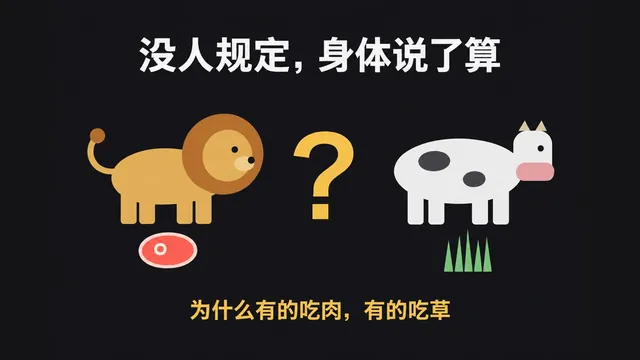
Nobody wrote animals a menu. Scissor teeth or millstone teeth, and gut helpers or none, decide what they can eat, shaped over generations.