
Can't play sound? The illustrated version is right below.
The full narration of the video.
Lions eat only meat. Cows eat only grass. Who made that rule for them? The answer: nobody did. Their own bodies decide what they can eat. Start with the teeth. A lion has a few special back teeth. When they close, they work like scissors and slice through meat.
A cow's back teeth are wide and flat. Its jaw slides side to side, like a millstone, grinding grass to bits. Now the stomach. Grass is tough and stringy. The toughest part of it? Almost no animal can digest that on its own. Cows have helpers. Their stomach has four chambers, and the first one is huge. It's home to countless bacteria that break the grass down for them.
A lion's gut has no grass-breaking factory like that. If it eats grass, it gets almost nothing out of it. Cats are the same. There's a nutrient called taurine. Cats can't make enough of it, so they have to get it from meat. Without it, their hearts and eyes get sick. Cats can't even taste sweetness. The switch on their tongue that senses sweet is broken. Tigers and cheetahs too.
So who built these bodies? Nobody, either. Long, long ago, the ancestors whose teeth and stomachs fit their food a little better ate more, lived longer, and had more babies. Generation after generation, that slowly shaped the animals we see today. Scientists call this natural selection. And it's a hard road to turn back on: in the big family tree of mammals, animals that went straight from eating meat to eating plants are almost nowhere to be found.
Of course, some animals eat everything, like people, bears, and pigs. And plant-eaters sometimes snack on meat. Cameras have caught deer eating baby birds from nests in the grass at night. The most interesting case is the giant panda. It comes from bears. Its gut is still built for meat, yet it eats almost nothing but bamboo. It can eat twelve and a half kilos a day, but digests only about seventeen percent. So it spends up to fourteen hours a day eating. So if your cat can't go vegetarian with you, it isn't being picky. Its teeth and gut were handed down by generations of ancestors. Next time you watch an animal eat, look at its teeth first.
Nobody made the rule. Their own teeth and stomachs decide what they can eat.
A lion’s gut has no “grass-breaking factory” like that. If it eats grass, it gets almost nothing out of it.
Nobody, either.
Long, long ago, the ancestors whose teeth and stomachs fit their food a little better ate more, lived longer, and had more babies. Generation after generation, that slowly shaped the animals we see today. Scientists call this natural selection.
And it’s a hard road to turn back on: in the big family tree of mammals, animals that went straight from eating meat to eating plants are almost nowhere to be found.

They can't read clocks, but body rhythms, routines and maybe scent tell them time has passed. They notice 30 minutes vs 2 hours, but not 2 vs 4.
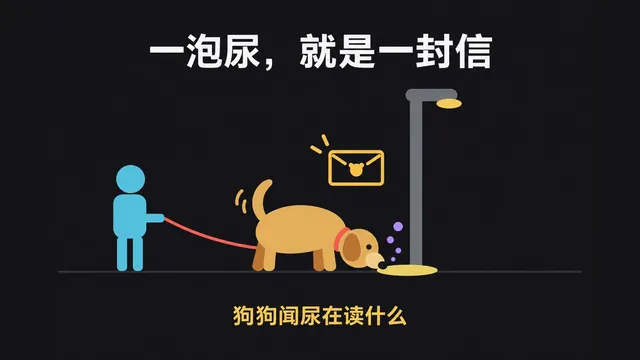
Every puddle is a signed letter: sniffing is reading, and peeing on top is writing back. Here's what's inside.

Common, but not every dog does it. Three research-backed reasons, three vet explanations not yet studied, and when following can signal separation anxiety.
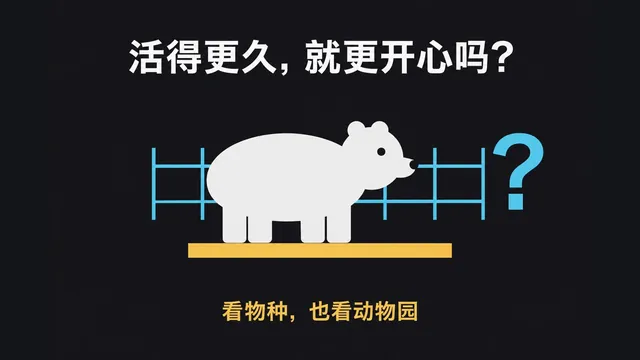
Most zoo animals outlive their wild cousins. But is a longer life a happier one? It depends on the animal and the zoo, plus three things to look for on your next visit.