
Can't play sound? The illustrated version is right below.
The full narration of the video.
The less coal a machine needs, the less coal gets burned. Sounds obvious, right? In 1865, a young Englishman named William Stanley Jevons took a careful look. He found the exact opposite. Steam engines kept getting better at saving coal, yet Britain burned more and more of it.
It saves, so how can we end up using more? That strange twist is called the Jevons paradox. Think about a lamp. Light used to be expensive, so after dark the whole family huddled around a single one. Then lamps got more and more efficient. A whole evening of light cost less and less.
So people lit more. A lamp in every room, a row along the street. Glowing signs too, left on late into the night. Each lamp uses less. But there are so many more lamps that the total goes up. Researchers in Britain ran the numbers. From 1800 to 2000, the price of light fell to a three-thousandth of what it was. The light each person used grew more than six thousand times.
Sure, people also got richer. But cheap light was a big push. The secret fits in one line. Saving means cheaper. And when something gets cheaper, we want more of it, in more places. Jevons saw the same thing with coal. Thriftier engines made factories more profitable. More factories opened, and more coal was burned.
It still happens today. In January 2025, a Chinese company built a powerful AI for far less money. Microsoft's boss posted right away: Jevons paradox strikes again. The cheaper it gets, the more we use it. But to be clear, it doesn't happen every time.
Most of the time, only part of the savings gets eaten back. When cars use less fuel, people drive a bit more. Studies find about a tenth eaten back at first, and around a third over the long run. Only when people really want more, and keep finding new uses for it, does it eat all the savings back, or even more. So saving isn't pointless. It's just that efficiency alone doesn't guarantee we use less in total.
Next time you hear something has become more efficient, ask one more question: will we just end up using more of it? Seen something else that gets used more as it saves more? Tell us in the comments.
When something gets more efficient, we often end up using more of it.
An English economist, William Stanley Jevons, pointed this out in 1865, so it carries his name. A “paradox” is something that sounds wrong but actually happens.
Put simply: we forgot the number of engines would grow.
Families once huddled around one lamp. As light got cheaper, there was a lamp in every room and a whole street of them.
With light, people getting richer helped too; but cheaper light was a big push.
Only when people badly want more and keep finding new uses does it eat back all the savings, or more. That’s the true Jevons paradox.
So efficiency isn’t useless. It just doesn’t guarantee we’ll use less in total.
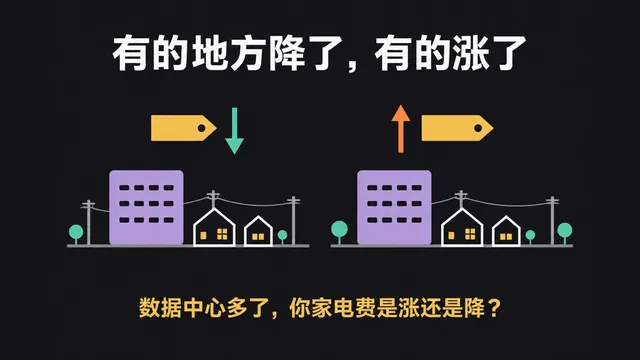
Some places saw power bills fall as data centers arrived; others saw them rise. A city-bus analogy shows the three things that decide which.

Jim Rohn's 1981 ten-minute talk: your income can't outgrow you, plus three things you can start on today.

The marshmallow test was overturned: kids who eat it aren't weak-willed, they just don't trust promises. How two worlds grow apart, and what changes things.
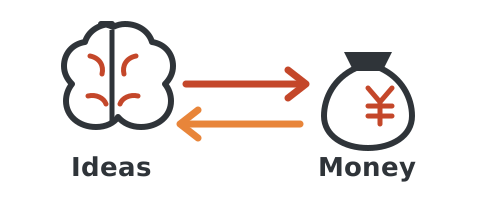
Does your thinking decide your wallet, or your wallet decide your thinking? Neither: it is a loop, and loops can be pushed.