21 pieces · best read in order
Jim Rohn's 1981 ten-minute talk: your income can't outgrow you, plus three things you can start on today.
The marshmallow test was overturned: kids who eat it aren't weak-willed, they just don't trust promises. How two worlds grow apart, and what changes things.
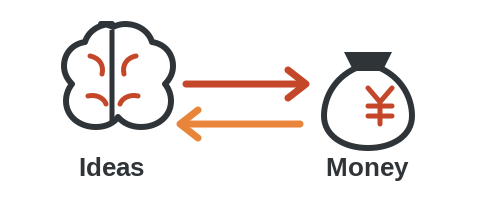
Does your thinking decide your wallet, or your wallet decide your thinking? Neither: it is a loop, and loops can be pushed.
The "smart" in smart switches and plugs is a bought-in part. Plus three things worth knowing before you buy.
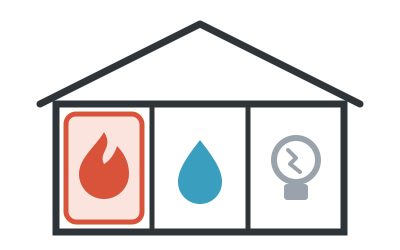
Like a fire, a leak and a dead bulb at once: sort debts by what happens if you don't pay, pick snowball or avalanche, map 13 weeks ahead, and talk early.
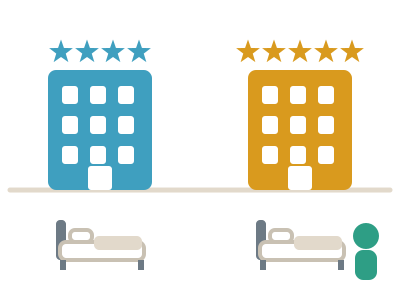
The rooms and beds can be nearly the same. The extra star mostly buys people: staff who are always there and think ahead for you.
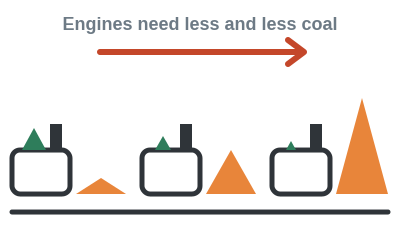
Why making things more efficient can make us use more of them — and why it doesn't always happen. Explained with coal and lamps.
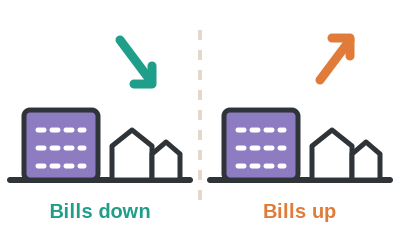
Some places saw power bills fall as data centers arrived; others saw them rise. A city-bus analogy shows the three things that decide which.
Gas or electric, family or commute, looks or function: start by asking which day you're buying the car for.
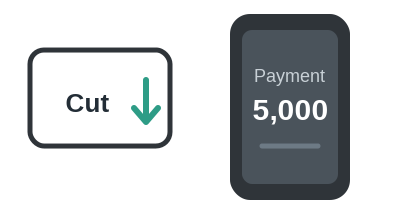
Follow one rate cut through four stops: the central bank, the monthly benchmark, your contract's spread, and the reset date.
Three years in, half of founders no longer run their startups. A Harvard professor traced the trouble to three early choices: friends, 50-50, and control.
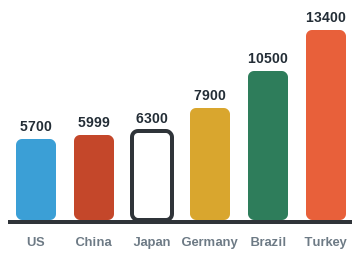
The same iPhone 17 costs about 5,700 yuan in the US and 13,400 in Turkey. Taxes, duties, exchange rates and rivals stack up the gap, layer by layer.
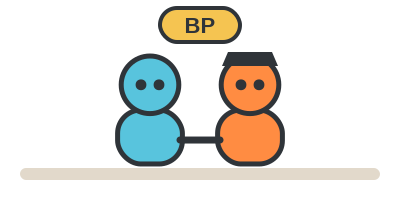
BP means Business Partner: the HR person sent to your team to work beside your boss.
The Duo shortage comes down to hinge yield. A scalper markup only buys a few months; ordering on Apple's site and waiting is safer.
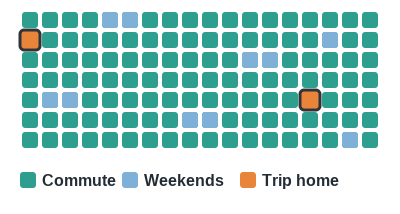
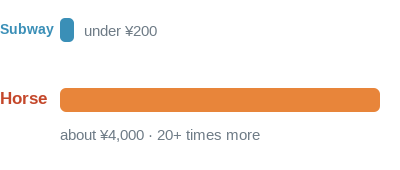
A horse burns no gas, but its rent alone costs over twenty times the subway: boarding, shoeing and a two-hour commute, added up.
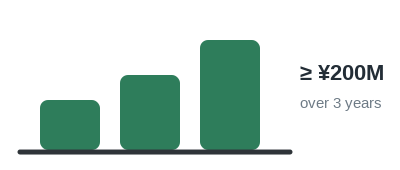
China's Main Board only takes companies with years of profit. So why list? To raise money that never needs repaying, grow faster, and let early investors cash out.
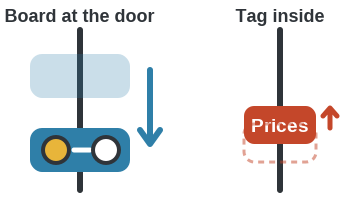
The yen fell to 1990 levels, yet Japanese prices barely moved. One is the exchange board at the door, the other the price tag inside.
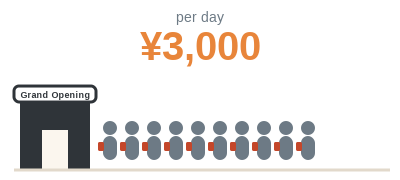
About 3,000 yuan a day for 30 paid queuers. New shops buy your curiosity, since a line is the only clue you have. Fake lines don't last.
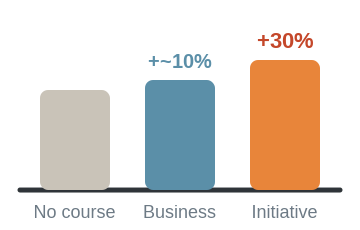
Two courses for shop owners: one barely helped, one raised profits by a third. The first skill isn't bookkeeping, it's finding work no one assigns you.
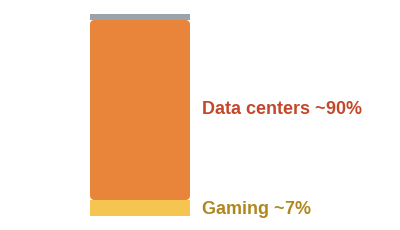
An AI card costs about $3,300 to build and sells for over $25,000. Nvidia owns no factory: the blueprint is costly, copies are cheap, and data centers now bring in 90% of revenue.
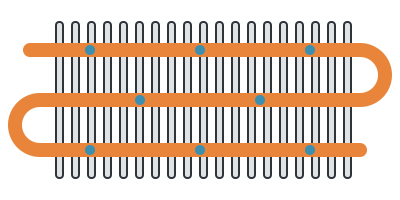
Your AC's fins are already aluminum; the fight is over the tube. New units cool about the same. The gap is how long they last in damp air.