
Can't play sound? The illustrated version is right below.
The full narration of the video.
Cats, fish, birds, bees. Why is the mouth always below the eyes? Is there any animal with its mouth above its eyes? Search every animal with a face, and you'll come up almost empty. The answer starts with a little worm, crawling forward.
As it crawls, which end bumps into food first? The front end. So the eyes and the mouth slowly crowded to the front. And that end became a head. That started more than five hundred million years ago.
But why eyes on top and mouth below? Let's look inside the head. The top layer is the brain. The bottom layer is a tube that carries food all the way to the belly. Eyes aren't stuck on afterwards. Before birth, they grow as two little bubbles budding out from the brain.
The brain is up top, so the eyes end up on top. And the mouth? It's the front door of that tube. The tube runs underneath, so the door is underneath too. Bees work the same way. Their brain sits right on top of the food tube.
This layout is handy, too. Most food is down low, so a low mouth can reach it. Eyes set higher can see farther. A horse grazing with its head down can still watch the horizon. So could it ever flip? Not easily.
Think of a finished house. All the pipes run downstairs. Move the kitchen to the roof, and you'd have to re-plumb the whole building. Are there exceptions? Yes. But they either have no face, or they're just upside down. A starfish has an eye at the tip of each arm, and its mouth in the middle of its underside.
A bat resting upside down really does have its mouth above its eyes. But once it flies, it's right side up again. So a mouth below the eyes isn't a coincidence. It's the plan that little crawling worm set, more than five hundred million years ago. Next time you look in a mirror, you're seeing that very, very old blueprint.
Seen an animal that seems to break the rules? Tell me in the comments.
Eyes grow out of the brain. The mouth is the door of the food tube. Brain on top, tube below — so eyes on top, mouth below.
This layout was set more than 500 million years ago, and most animals since have followed it.
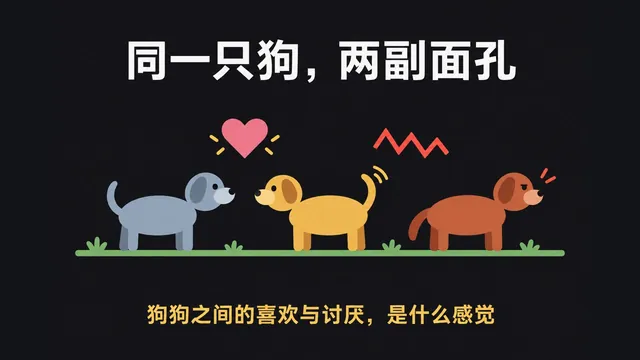
Dogs can't tell us, so we work backwards: the sniff, the play bow, a warm chemical inside, and the stiff body that says back off.
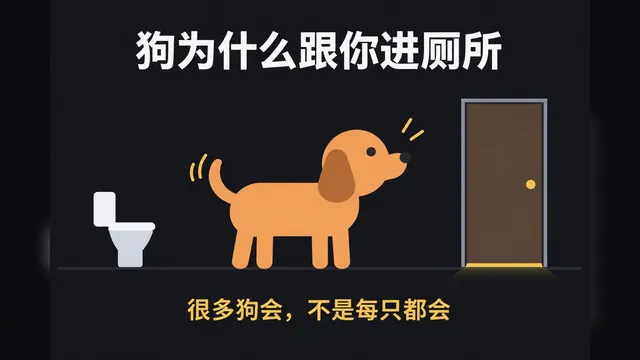
Common, but not every dog does it. Three research-backed reasons, three vet explanations not yet studied, and when following can signal separation anxiety.
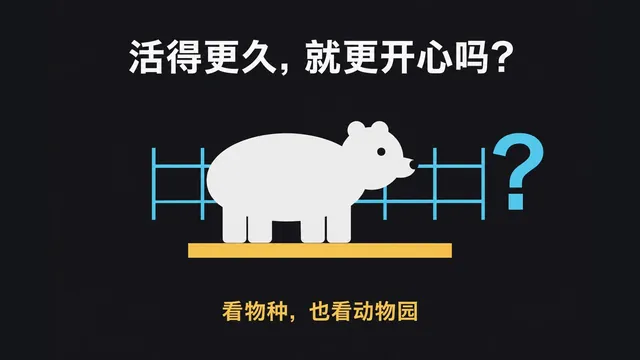
Most zoo animals outlive their wild cousins. But is a longer life a happier one? It depends on the animal and the zoo, plus three things to look for on your next visit.
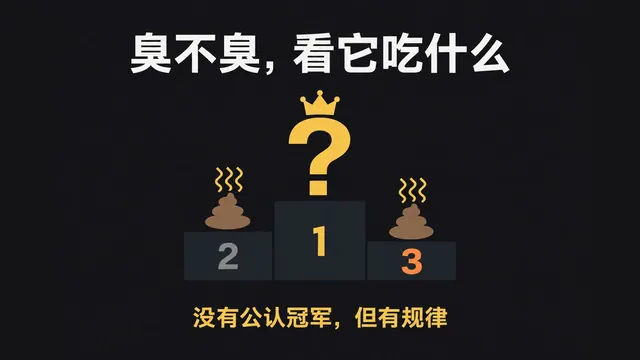
There's no official champion, but there is a pattern: the more meat an animal eats, the worse its poop usually smells. Then there are otters.