
Can't play sound? The illustrated version is right below.
The full narration of the video.
A fart is a fart. When it's yours, you can kind of live with it. When it's someone else's, you want to get away fast. Why is that? First: this isn't just in your head. Scientists have actually tested it.
Psychologists in Australia asked lots of people: fart smell, sweat smell — yours, or a stranger's, which is worse? Most people said: the stranger's. Another experiment was even more direct. Thirteen mothers sniffed two identical buckets. Each hid a dirty diaper: one from her own baby, one from someone else's. Even without being told which was which, the mothers still felt their own baby's was less gross.
So it's not only about what you think. Your nose and brain really do treat the two differently. Start with the nose. Your own smell follows you all day long. A smell that never goes away, your nose eventually stops reporting. Then the brain. A smell you've met many, many times gets filed as “familiar.” And familiar things feel less scary, and less nasty.
Scientists found the best explanation is simply exposure. Mothers said it too: the more diapers they changed, the less bad they smelled. So why does someone else's fart feel so disgusting? Because disgust is really an alarm in your body. It has one job: keep you away from things that might make you sick.
The stink of a fart is made by bacteria in your gut; it smells like rotten eggs. Farts and poop always come with germs. Your own germs already live with you. A stranger's germs are new to you, and might carry an illness your body hasn't met. So the alarm rings extra loud for a stranger's smell. If your own smell set off the alarm all the time, even going to the toilet or taking a shower would be miserable.
But don't get two things wrong. First, your own farts don't smell good. They still stink; you just mind them less. Second, you're used to it — other people aren't. A smell you think is fine might be setting off alarms in someone else's nose. So frowning at someone else's smell doesn't make you petty. It's your body guarding you from unfamiliar germs. And when it's your turn, shower often and open a window.
What else about your body puzzles you? Tell me in the comments.
Same stink. Yours is familiar, so your brain shrugs. Someone else's is new, so your brain sounds the alarm.
Put simply: even when you can't see whose it is, your nose and brain treat them differently.
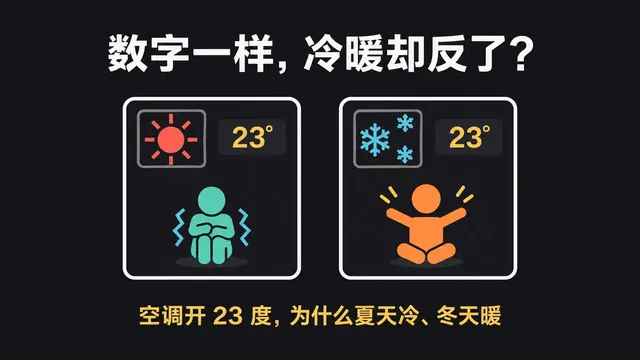
Same thermostat setting, opposite feeling. Your skin compares, your clothes change, and the vents blow hot or cold air.
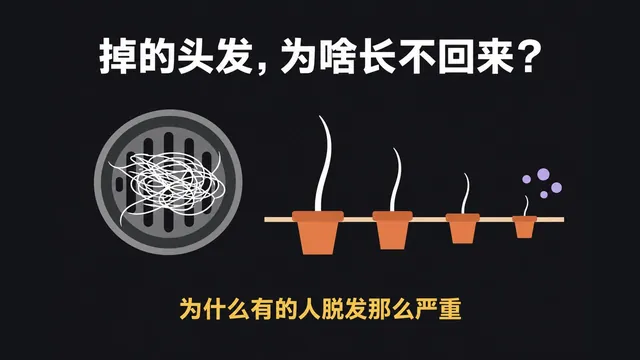
Every hair grows from a tiny pot. Some pots are born sensitive to androgens, slowly shrink, and grow thinner and thinner hair.
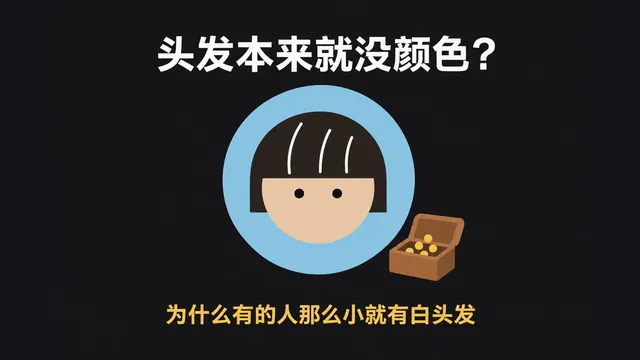
Hair has no color of its own—cells at the root add it. When their spare supply runs out early, white hair shows up early. Usually it's in your genes.

Nicotine hooks you; the smoke harms you. Why a cigarette feels relaxing, whether one a day is OK, what quitting does, and why it's hard.