71 pieces · best read in order
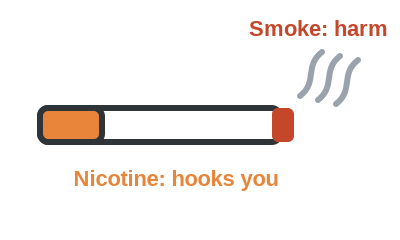
Nicotine hooks you; the smoke harms you. Why a cigarette feels relaxing, whether one a day is OK, what quitting does, and why it's hard.
It isn't your brain breaking: the thought sits on a tiny mental sticky-note board that gets crowded in conversation, and a new topic turns the page. Plus three small tricks.
It isn't carelessness: your brain hands words to your fingers one at a time and races ahead, so one never arrives. Then it fills the gap when you reread. How to catch it.
You know the word but can't say it: your brain found the meaning, but the path to its sound is overgrown.
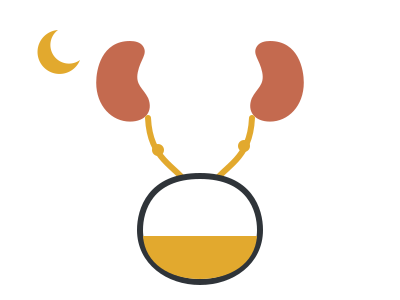
That morning pee isn't water from nowhere. Your kidneys filter your blood all night, just slower, and the bladder fills up by morning.
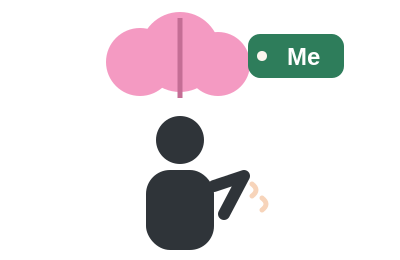
Your brain tags every feeling as 'me' or 'not me' and flags what matters. When those get scrambled, inner words sound like voices and ordinary things feel like signals.
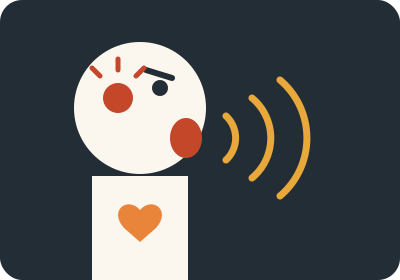
One second of shouting puts your whole body to work: a brain alarm, a rush of adrenaline, slamming vocal cords, even extra strength.
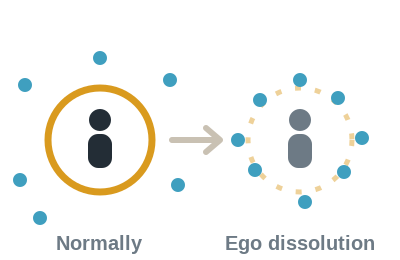
An invisible line normally separates "me" from the world. Ego dissolution is when that line fades for a while — and why it can feel calm or terrifying.
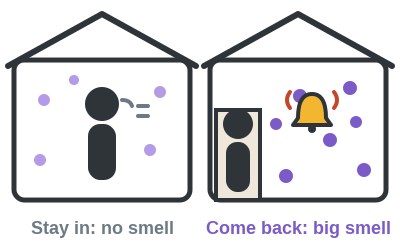
The smell was there all along. Your nose turns a constant smell down, and a short trip outside lets it reset.
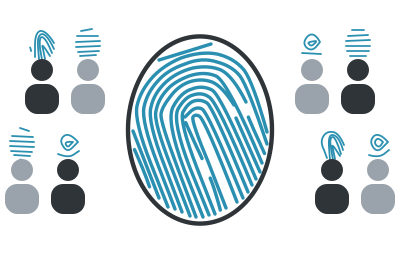
Nobody has proven it, yet no matching pair has turned up in over a century. Here's how fingerprints form, and why we're so confident.
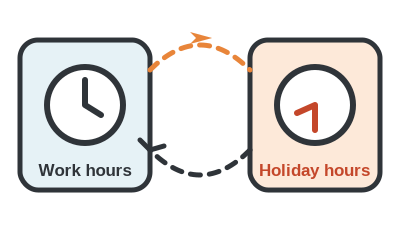
Feeling flat after a long holiday isn't laziness. Your body clock is jet-lagged. Three simple ways to wind it back.
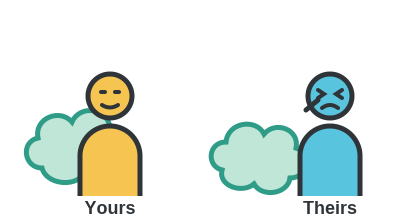
Same stink, different reaction: your brain files your own smell as familiar, and treats a stranger's as a germ alarm. Scientists tested it.
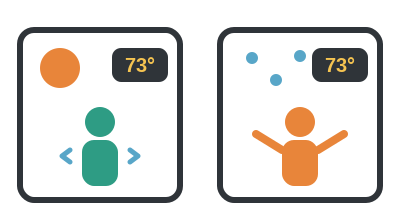
Same thermostat setting, opposite feeling. Your skin compares, your clothes change, and the vents blow hot or cold air.
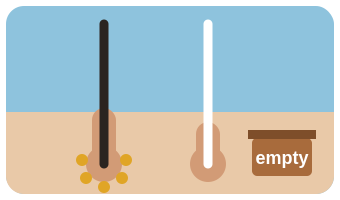
Every hair grows from a tiny pot. Some pots are born sensitive to androgens, slowly shrink, and grow thinner and thinner hair.
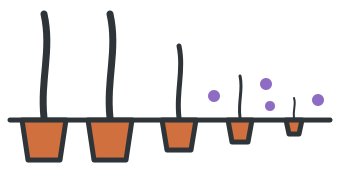
Hair has no color of its own—cells at the root add it. When their spare supply runs out early, white hair shows up early. Usually it's in your genes.
Endless summers, a giant world, extra-sweet candy: we didn't forget these feelings. Our bodies and brains grew up. Five that slip away, and how to win some back.
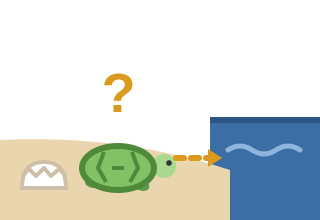
Nobody teaches a baby turtle to find the sea. Instincts are nerve wiring connected before birth, built from a genetic plan.
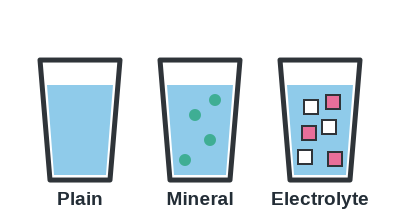
Your body mostly needs the water itself. Plain water or tea day to day; purified or mineral, your call; electrolyte drinks for heavy sweat and sick days.
Dopamine is called the happy molecule, but swallow a spoonful and it never reaches your brain. Most likely, it just makes you sick.
Ears are doors that only swing back: they press flat going in, then flip forward, fold double and jam on the way out.
That jolt isn't a falling dream: as you drift off your muscles relax, your brain thinks you're falling, and real dreams start about 90 minutes later.
Almost everyone dreams four or five times a night. We just forget, because the brain's recorder takes two minutes to wake up.
No atom thinks, and no single cell either. Thoughts are patterns of cells lighting up together, like a stadium wave. Why it feels like anything is still unsolved.
Hunger is an alarm clock, not a fuel gauge: healthy adults can wait it out, but older people and anyone on diabetes medicine should eat on time.
Follow one sip down: temperature doesn't change hydration, but scalding-hot drinks keep burning your esophagus.
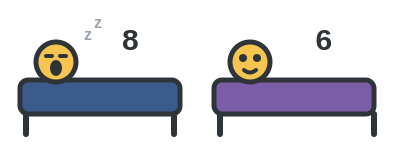
It's not the extra two hours: it's when you wake, the sleep you owe, and the afternoon dip. Six hours only feels fine because you go numb.
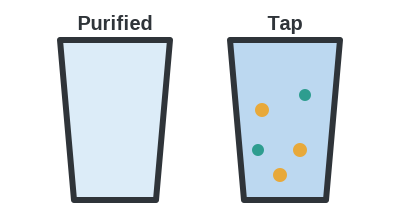
Two glasses side by side: purified water does every job water does. The calcium it lacks is about a quarter glass of milk, and it won't wash calcium out of your bones.
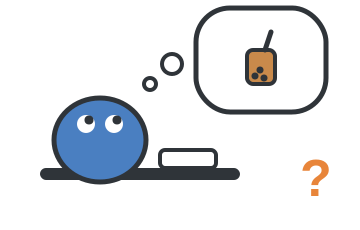
A craving is usually not your body missing something. It's a memory movie that keeps growing — and three minutes of block-stacking can shrink it.
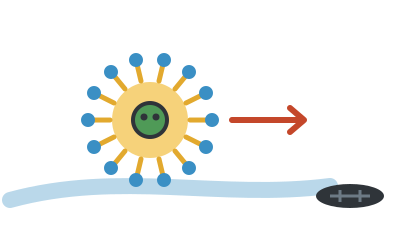
Soap mostly doesn't kill germs. Its tiny sticks wrap grease and germs into balls that water rinses away.
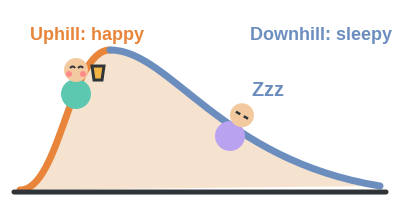
Alcohol makes your brain hand out treats and puts its lookout to sleep. But blood alcohol is a hill: the glow is only on the climb, and more drinks just stretch the way down.
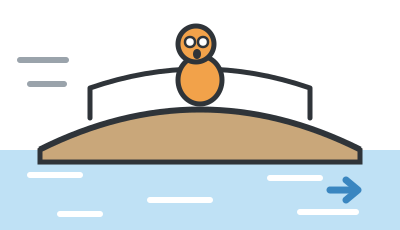
Stare at the water and the bridge seems to slide upstream: your brain mistakes the moving river for you moving. Look at a tree on the bank.
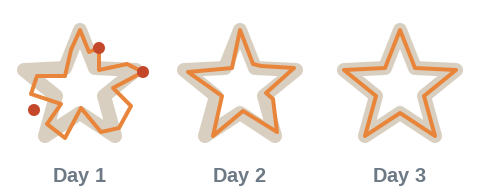
A man who couldn't form new memories still got better at mirror-tracing a star. Events melt like footprints in snow; skills are paths worn deep in the brain.
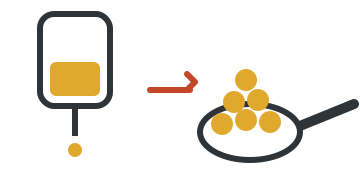
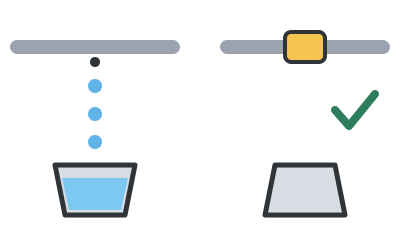
Daily pills are a bucket under a leak; a cure fixes the leak. Hepatitis C is fixed, blood disorders are costly, diabetes and lupus are halfway, HIV is far off.
A day in bed gives off enough heat to boil eight kettles. Every cell is a tiny kitchen that takes food apart step by step, and most of that energy turns straight into heat.
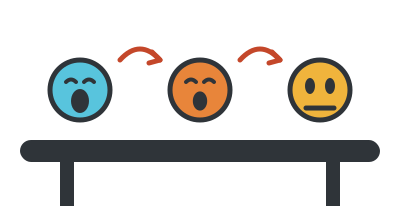
Two in three people catch a yawn. Whether you do depends on how touchy your brain's movement area is, and fighting it only makes the urge stronger.
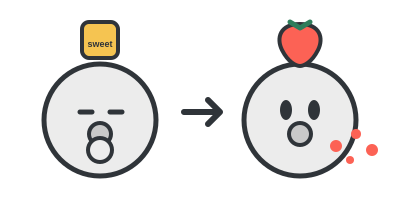
Pinch your nose and strawberry candy is just sweet. Follow a whiff into your nose to see how 400 receivers light up patterns.
Yawning may cool the brain. Close people catch yawns more on average, but that average can't test one couple.
Probably not endorphins: they can't get into the brain. Your body's own endocannabinoids can, and they rise most at an in-between pace.
The rumble is muscle rings squeezing gas and water along. On an empty stomach, a strong clean-up wave makes it loud.
Why a scraped knee only hurts after the game: your brain acts like a traffic officer, letting what matters most through and holding the rest at a red light.
Each square on a urine test strip hides a lock that fits only one thing. Sugar slips in, the lock turns, and a dye changes color.
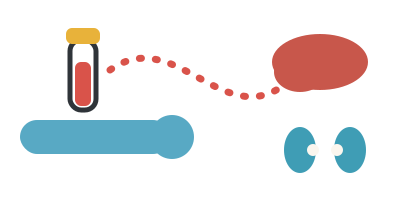
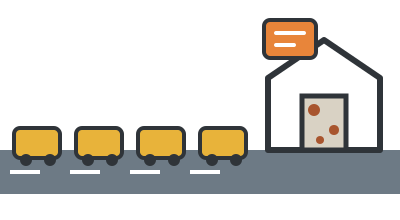
Blood from your arm can tell about your liver and kidneys. Count the cars, spot spilled cargo, check the garbage, and see why one arrow isn't a diagnosis.
Grapefruit knocks out a drug-breaking enzyme in your gut, so some pills hit your blood at triple strength for days. Not every drug or citrus does this.
Diabetes is not simply caused by eating sugar. Rusty cell doors, overworked islets, and the one line on your checkup report worth reading.
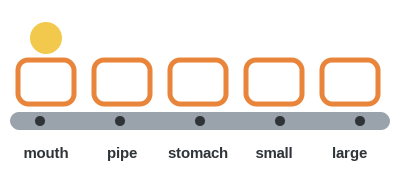
Follow one bite of rice from mouth to bottom: teeth, food pipe, stomach, a small intestine taller than you, and a day-and-a-half trip.
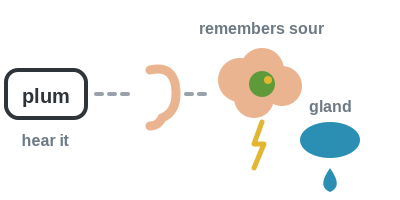
Nothing in your mouth, yet the word "plum" makes it water. Follow the word from your ear to your brain to your salivary glands: it's a conditioned reflex, just like Pavlov's dogs.
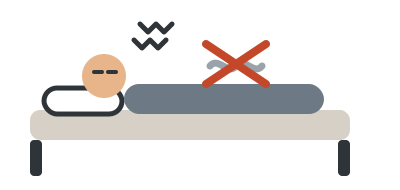
It isn't worms. A tiny brain wake-up revs the heart, then the jaw clamps down. Here's the night-time chain, step by step.
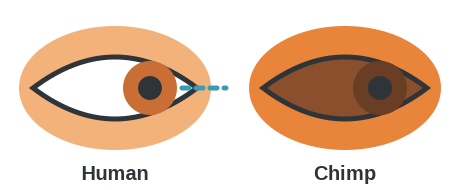
Our small iris sits on a big white background, like a traffic cop's white gloves, so others can see exactly where we look. That helps us read each other and work together.
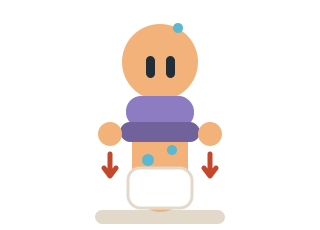
Soaked outer skin swells and tiny water bridges hold the cloth. Dry off, wait two minutes, and sleeves slide right on.
Whitening creams only fade the layer the sun added. Your natural color is set by genes, and your inner arm shows it.
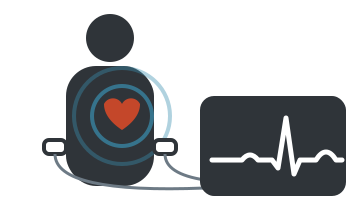
An ECG never reads one spot. It measures the tiny voltage gap between two electrodes. Here it is, explained with a tub of bathwater.
Peeing soon after drinking isn't broken kidneys. It's your kidneys keeping pace with you: drink more, they let more go; drink less, they hold on.
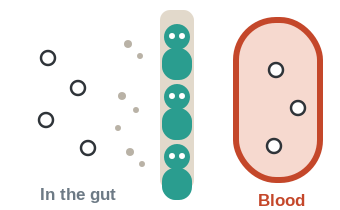
Over 90% of serotonin is in your gut. It's a key, and it does whatever job is behind the door it opens.
A sugar pill has no drug in it, yet pain can ease. An experiment with pulled teeth shows the brain releases its own painkillers.
An ADHD brain isn't broken: its 'worth doing' pedal is dull. The hunter-farmer idea is only half right.
Muscle never turns into fat. Muscle slowly leaves and fat moves in. At 90, eight weeks of leg training still more than doubled strength.
Coke didn't keep him alive. Survivorship bias, plus his genes, money and sleep, explain it.
Your heart can tire, but it rests after every beat: squeeze 0.3 s, relax 0.5 s, with cells packed with power plants.
Bone grows thicker like a tree trunk; the knee cartilage gives out first.
Discharge isn't dirt. Good bacteria and a steady flow keep things clean. Plain water outside is enough; don't rinse inside.
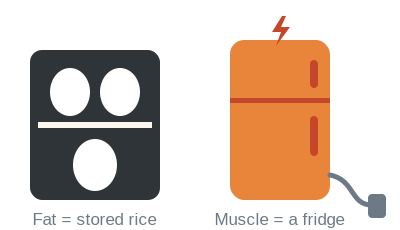
Your body treats muscle like a plugged-in fridge: it burns energy even at rest, so the body keeps only what you use. Plus a 30-second chair test.
For daily drinkers, stopping cold can overwhelm a brain that has weakened its own brakes. Day two or three is the riskiest.
When we're hurt, the body patches the wound with a scar to stay alive. Why axolotls regrow legs, and what power we still have.
It's not the air pressure. A light sensor in your eye only checks brightness, and indoor lamps on a cloudy day feel like dusk to it. A walk outside helps.
It's mostly not the caffeine: coffee in your stomach rings a bell that wakes your colon. Whether it works depends on you, the clock, and the cargo.
Cold medicine almost never kills the virus. Western medicine eases symptoms, Chinese medicine reads whether you run cold or hot, and your body wins.
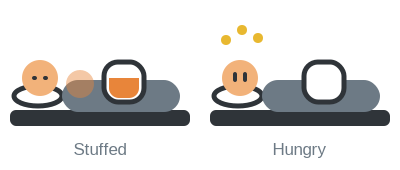
Going to bed stuffed invites heartburn, going to bed starving keeps your brain awake. Eat dinner about three hours before bed, and a small snack is fine.
Plain water makes nose cells swell and press on pain nerves, and those nerves share a branch with your eyes.
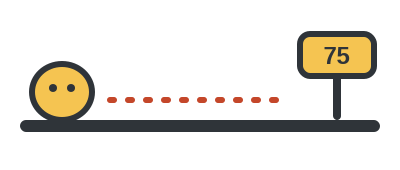
Half a kilo of pure fat stores 4,500 kcal, enough for a 75 km run. Your body cuts back when you eat less, and most lost fat leaves as breath.
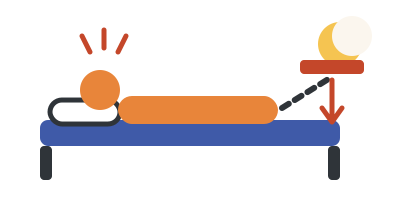
Most of the weight you lose overnight is urine and water you breathe out; fat is only 20–30 grams.
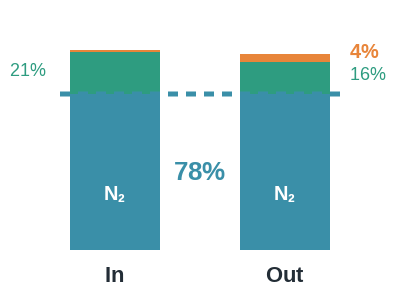
Four-fifths of every breath is nitrogen. It enters your blood and comes right back out, while CO₂ only leaves. A soaked sponge explains why.