Can't play sound? The illustrated version is right below.
The full narration of the video.
Smokers often say a cigarette helps them unwind. Non-smokers say it's paying to get sick. So what are you actually smoking? Nicotine is what hooks you. What makes you sick is mostly the smoke.
Once lit, a cigarette makes carbon monoxide, tar, and thousands of chemicals. Then why does one feel so relaxing? Take a puff, and nicotine reaches your brain in about ten seconds. It feels good.
A while later, it wears off and you get restless. Smoke another, and the restlessness goes away. So the relief mostly undoes the stress the last cigarette caused. Studies find that people who quit end up less anxious and less stressed.
And the cost? Up to half of long-term smokers die from tobacco. Even one cigarette a day carries about half the heart disease risk of twenty. The good news: quitting helps at any age. After one year, heart disease risk drops by about half.
Is quitting hard? The first few days are the worst. After three or four weeks, most of it passes. You don't have to tough it out. Quit-smoking clinics, with medication and a doctor's support, more than double your chances. The ease a cigarette gives is mostly what it took away first. When you want to quit, you don't have to do it alone.
Nicotine is what hooks you.
What makes you sick
is mostly the smoke.
A lit cigarette makes carbon monoxide, tar, and thousands of chemicals. Those do most of the damage.
Research finds that people who quit end up with less anxiety, depression, and stress than when they smoked.
Quitting helps at any age. The sooner, the better.
The first few days are the hardest.
After you stop, it's usually worst on days 2 and 3: irritability, poor sleep, strong cravings. Within 3 to 4 weeks, most of it passes. Cravings can last longer, but they keep getting weaker.
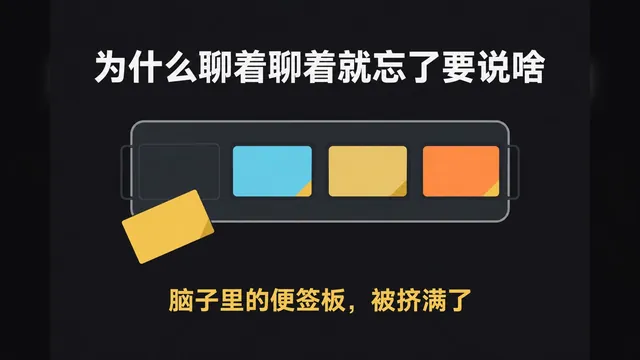
It isn't your brain breaking: the thought sits on a tiny mental sticky-note board that gets crowded in conversation, and a new topic turns the page. Plus three small tricks.

It isn't carelessness: your brain hands words to your fingers one at a time and races ahead, so one never arrives. Then it fills the gap when you reread. How to catch it.
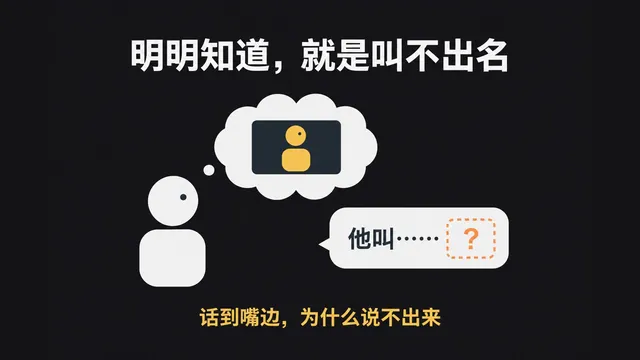
You know the word but can't say it: your brain found the meaning, but the path to its sound is overgrown.
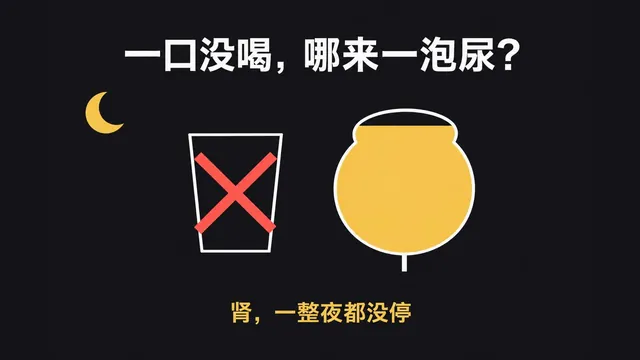
That morning pee isn't water from nowhere. Your kidneys filter your blood all night, just slower, and the bladder fills up by morning.