
Can't play sound? The illustrated version is right below.
The full narration of the video.
You step out for half an hour, and your dog waits at the door. You're gone four hours, and it waits there too. Does it know how long you've been away? Cats and dogs can't read a clock or count. But they carry several invisible clocks. The first is a clock inside the body. Each round of day and night, the body turns one full lap with it.
Feed an animal at the same time every day, and many animals start stirring before the meal. That's why it's already by the bowl before dinner time. The second is a habit clock. The alarm rings, you put on shoes, grab your keys, shut the door. It remembers the whole routine. Familiar footsteps outside, the sound of the elevator, they're telling it something too: someone's almost home.
The third might be in the nose. One scientist has a guess: after you leave, your scent in the room slowly fades. A dog might be able to smell how faint it has become. But that's only a guess, and nobody has properly tested it yet. The fourth is in the brain. In 2018, scientists found a group of cells in mouse brains. When the animal stops and waits, they light up one after another, like a stopwatch ticking.
Cats and dogs have the same part of the brain. So can they really tell a short wait from a long one? Researchers tried it. Twelve dogs were left home alone for half an hour, two hours, and four hours. After two hours away, when the owners walked in, the dogs wagged more and stuck closer. Much warmer than after half an hour.
But between two hours and four, there was no clear difference. A dog can feel it's been a while, but can't tell a while from even longer. Cats too. When owners came back after four hours, cats purred more and stretched more than after half an hour. They wanted to be close. So when you've been gone a long time, that burst of joy at the door is real: it has truly been waiting. When you walk in, crouch down and say hello first.
They don’t read clocks, but they can feel “that was a while.” They just can’t tell “a while” from “even longer.”
Researchers left 12 dogs home alone for half an hour, two hours, and four hours, then watched how they greeted their owners.
After two hours, dogs wagged more and stuck closer. But two hours versus four? No clear difference.
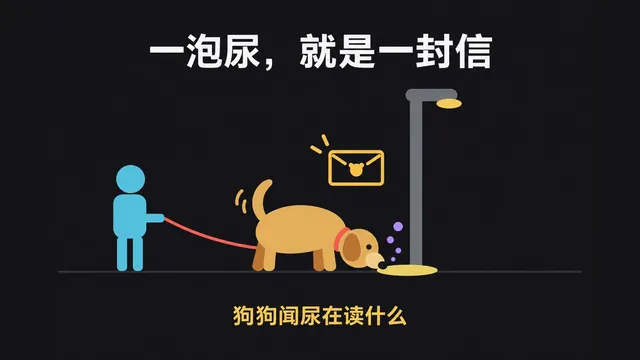
Every puddle is a signed letter: sniffing is reading, and peeing on top is writing back. Here's what's inside.
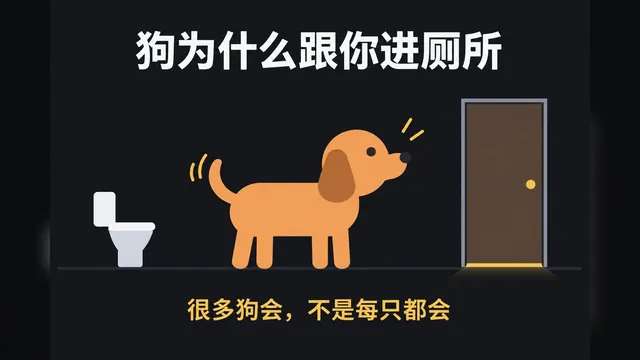
Common, but not every dog does it. Three research-backed reasons, three vet explanations not yet studied, and when following can signal separation anxiety.

Most zoo animals outlive their wild cousins. But is a longer life a happier one? It depends on the animal and the zoo, plus three things to look for on your next visit.

There's no official champion, but there is a pattern: the more meat an animal eats, the worse its poop usually smells. Then there are otters.