
Can't play sound? The illustrated version is right below.
The full narration of the video.
Hold a young puppy up to your nose. There's a sweet, milky smell. Some say it's like sesame oil. But as it grows up, the smell slowly fades. Why? The smell comes mostly from the puppy's mouth. English even has a name for it: puppy breath.
Exactly where it comes from, even vets aren't sure. The usual explanation has three parts. Think of a puppy's mouth as a brand-new kitchen. One: this kitchen has only ever cooked milk. A newborn puppy drinks nothing but its mother's milk.
Two: the walls are freshly painted. Its teeth are brand new, with no plaque on them yet. Three: hardly anyone lives here. Its mouth has few bacteria, and only a few kinds. And then? The kitchen starts to change.
At three or four weeks, a puppy starts eating other food. By six to eight weeks, it's mostly done with milk. After about three months, the baby teeth start to fall out. By six or seven months, all forty-two adult teeth are in. While teeth change, the gums bleed a little, and the breath can smell a bit like metal.
The food gets more varied, plaque builds up on the teeth, and more bacteria move in. The milky smell gets covered up. So in most puppies, the milky smell is gone by three to six months, right around the time their teeth change. Want to keep it by giving a grown dog a big bowl of milk? Don't. Many adult dogs can't digest milk well, and too much gives them diarrhea.
If a puppy's breath smells really bad and won't go away, don't put it down to growing up. Take it to a vet. That milky smell only lasts a few months. While your puppy is still little, hold it close. What other strange smells does your dog have? Tell me in the comments.
A puppy's mouth is like a new kitchen: only milk has been cooked there, the walls are fresh, and hardly anyone lives in it.
As it grows, the kitchen cooks all kinds of food, the walls get grimy, and it fills up with tenants. The milky smell gets covered up.
Put simply: the smell comes mostly from the mouth. When the mouth changes, so does the smell.
Vets admit no one knows exactly what makes the smell. These three are the most common explanations.
The food gets varied, plaque builds up, and more bacteria move in. The milky smell usually fades between three and six months, right as the teeth change.
If a puppy's breath smells really bad and won't go away, don't put it down to growing up. Take it to a vet.
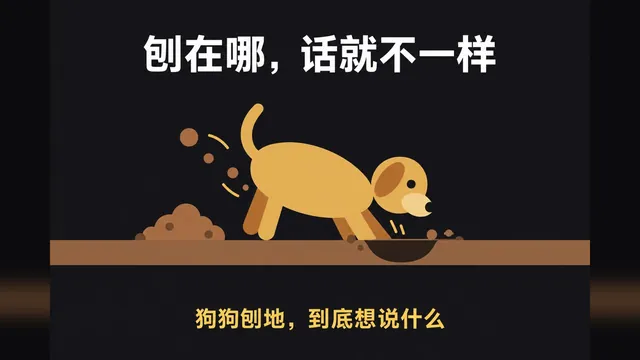
Where a dog digs is what it means: by the bathroom spot it's signing its name, in bed it's making a nest, in the yard it has a job to do.
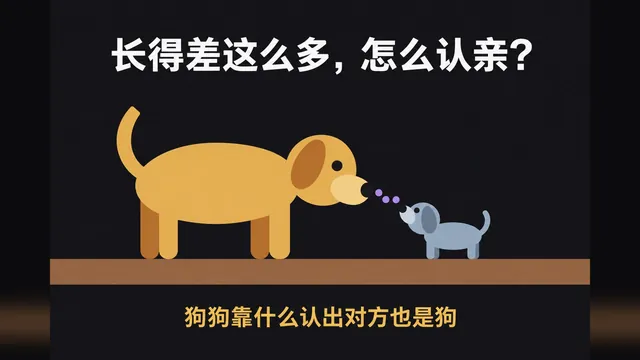
From far away, dogs spot other dogs by sight. Up close, the nose reads a scent business card that says which dog it is.
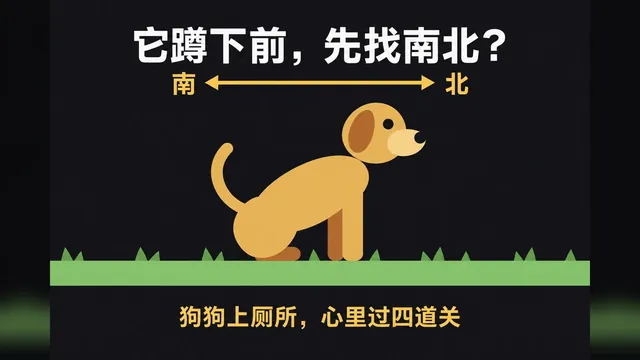
All that circling isn't stalling. Before squatting, a dog runs four checks, and often lines up north to south.
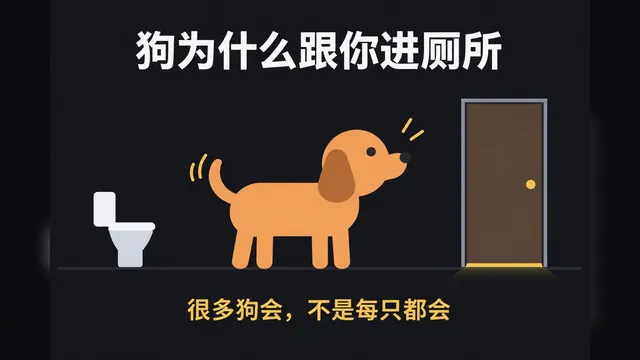
Common, but not every dog does it. Three research-backed reasons, three vet explanations not yet studied, and when following can signal separation anxiety.