Can a kid who can't sing make a song?
Can't play sound? The illustrated version is right below.
Read the transcript
The full narration of the video.
The kid doesn't sing a single note. The computer sings the whole line for him. He just drags out a few little blocks, types a few words, hits play, and someone starts singing. So can a ten-year-old learn this? And will it actually sound good?
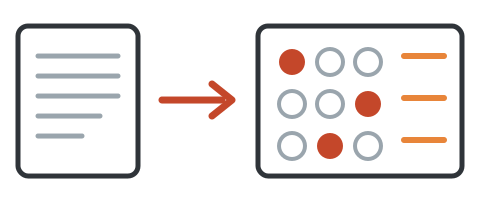
Open the software, and the first thing you see is a big sheet of grid paper. Further right means later in time. Higher up means a higher note. The kid drags out a block with the mouse. How high it sits is how high it's sung. How long it stretches is how long it's held.
Then type one word into the block. That word is the lyric. Drag out seven blocks, type in the words of Twinkle Twinkle, and the first line is ready. This grid paper has an ancestor from more than a hundred years ago.
Back then there were pianos that played themselves. Inside, a long roll of paper punched full of little holes. Which row a hole is in decides which key gets pressed. How long the hole is decides how long the note rings. Turn the roll, and the piano plays itself.
In today's music software, this grid is still called the piano roll, named after that paper. One hole in the paper is one block on the screen. But a piano only strikes keys. Human singing is far more delicate.
Moving from one note to the next, the voice bends. The tail of a long note gently wavers. And before the next line, there's a breath. The kid doesn't have to draw a single one of these details. The singer inside the software is called a voice bank.
First, a real singer records lots of songs. The computer listens to them over and over, learning how he bends, wavers and breathes. You lay out the blocks, and it predicts how that singer would sing those notes. So when you hit play, you hear something like a real voice, not a machine reading words.
The software is called Synthesizer V. Version two came out in March 2025, and Pro is the paid edition. At launch, Pro cost ninety-nine dollars. It comes with a few singers; more are sold one by one. There's also a free Basic edition; with a free trial singer you can start playing. A parent can help with signing up and downloading.
So, can a ten-year-old learn it? Dragging blocks, typing, hitting play: most kids get the hang of it in an afternoon. The hard part isn't the software. It's the ears.
Out of the box it already sounds fairly human. To make it sound heavenly, you tune it slowly: which word is a bit stronger, which note bends a bit slower. After that comes writing a melody of your own. That takes lots of listening and trying. It has nothing to do with whether you can sing.
Singing takes a voice. Making songs takes ears. Tonight, let your kid lay out one line of Twinkle Twinkle. Take a guess: how many minutes will the first try take?
The kid never opens their mouth
Drag a few blocks, type a few words, press play, and the computer sings it for them.
This kind of software is called a singing synthesizer. This one is about Synthesizer V.
How to read the grid
Seven blocks with "Twin-kle twin-kle lit-tle star" typed in, and the first line of the song is done.
A paper roll from over 100 years ago
Back then there was a piano that played itself. Inside was a long roll of paper full of holes. Where a hole sat decided which key was pressed; how long the hole was decided how long the note rang.
That's why music software still calls this grid the "piano roll". The name comes from that paper.
Singing is much finer than piano keys
A voice bends from one note to the next, the tail of a long note wobbles a little, and there's a breath before the next line. The kid doesn't have to draw any of that.
The singer inside the software is called a "voice bank".
First a real singer records lots of songs. The computer listens again and again and learns how they bend, wobble and breathe. When you place the blocks, it guesses how that singer would sing those notes. Press play, and you hear something like a real voice, not a machine reading words.
Does it cost money?
A parent should help with signing up and installing.
Can a 10-year-old learn it?
Dragging blocks, typing and pressing play: most kids get it in an afternoon.
The hard part isn't the software. It's the ear. The default already sounds quite human. To make it beautiful, you tune slowly: which word a bit stronger, which note bends a bit slower. After that comes writing a nice melody of your own.
That takes listening and trying. Whether you can sing doesn't matter.
Making songs takes ears.
Quick check
When a kid makes a song with this software, what is the hardest part?
A block's height is the note, and the voice bank adds the bends and wobbles. What's left is the ear: hear what's off, then tune it.