
Can't play sound? The illustrated version is right below.
The full narration of the video.
In Hindu tradition, there are three great gods, each with one great task. Brahma creates. Shiva destroys. Vishnu preserves. That is the common telling. For the traditions devoted to Vishnu, he is the Supreme Being.
The stories say he sleeps upon a boundless ocean. A lotus grows from his navel, and Brahma sits within it. In his images, four things often appear: a conch, a discus, a mace, and a lotus. When the world falls into disorder, he takes another form and comes to earth. This is called an avatar.
The scripture says: whenever righteousness declines, he appears to protect the good. In the most common list, there are ten avatars. The first three are animals: a fish, a tortoise, a boar.
The fourth is half man, half lion. The fifth is a small man who crossed heaven and earth in three steps. The last five are human: Parashurama, Rama, Krishna, the Buddha. And Kalki, who is yet to come. The ninth is usually the Buddha. Some traditions leave him out and list Krishna's elder brother, Balarama, instead.
The second avatar, the tortoise, has a famous story: the Churning of the Ocean of Milk. The gods and their rivals, the asuras, wanted to churn the nectar of immortality out of the sea. They used a mountain as the churning rod, and a great serpent as the rope, pulling back and forth.
The mountain began to sink. Vishnu became a great tortoise and held it up on his back. First, a deadly poison rose from the sea. Shiva drank it to protect all living beings. Then many treasures appeared. The goddess Lakshmi rose from the sea and chose Vishnu. At last, the nectar emerged.
So the stories of Vishnu all tell one thing: when the world tilts, someone sets it right. Next time you see a conch, a discus, and a lotus, you'll know they speak of protection.
In Hindu legend,
Vishnu is the god
who protects the world.
When the world
falls into chaos,
he comes to earth
in a new form
and sets it right.
This page draws only symbols such as the conch, disc, lotus and sea, never the deity himself.
This is the common "Trimurti" idea: creation, protection and destruction, each with its own major god.
Not every tradition sees it this way. Traditions devoted to Vishnu (Vaishnavism) regard him as the supreme god; traditions devoted to Shiva regard Shiva as supreme.
In pictures and statues of Vishnu you often see these four:
Legend says he rests on a great serpent, asleep on a boundless sea. A lotus grows from his navel, and Brahma sits inside it. His wife is Lakshmi, goddess of fortune, and his mount is the divine bird Garuda.
What each of the four stands for varies from place to place. The above are the common explanations.
When the world falls into chaos, he comes to earth in a new form. This is called an avatar. The scripture the Bhagavad Gita says: whenever righteousness declines, he appears to protect the good.
In the common account there are ten avatars, in this order:
This is the most common list. Traditions order it differently: some put Balarama eighth and Krishna ninth, and some places replace the ninth with a locally worshipped god.
This story appears in texts such as the Vishnu Purana and the epic Mahabharata, with details varying slightly between versions.
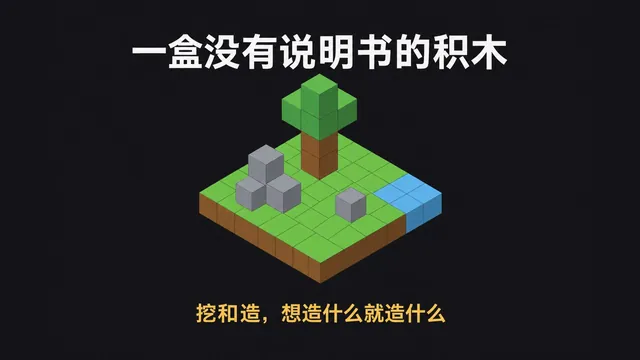
A box of bricks with no instructions: the whole world is blocks you dig and stack, generated as you walk from a number called a seed. Survival, creative, redstone computers, and why it's the best-selling game ever.
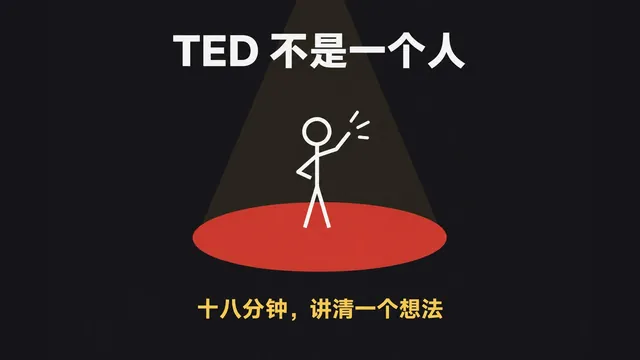
TED isn't a person: it stands for Technology, Entertainment, Design. How a money-losing conference became a place where ideas spread, why every talk is 18 minutes at most, TEDx, and the most-watched talk.

A baby face, a crime-scene look and zero arguments: why cat photos travel further than anything else online.

The Oct 1, 1949 ceremony: 300,000 people, the first flag, 54 cannons and 28 salvos; how Oct 1 became National Day; and why only 3 of the 7 days off are legal.