
It can help, and it can backfire. The difference is whether you're watching "is the job done" or "every single move a person makes."
In short: watching the work puts people at ease; watching the people puts them on guard.
A few American researchers tracked 392 chain restaurants. One after another they installed software that checks the cash-register records: which order was deleted, which discount looks off. Note that it examines the books, not the people.
The interesting part: sales rose not because anyone was fired. The people were the same people; the way they worked changed.
A Harvard researcher ran an experiment at the world's second-largest mobile phone factory: hang a curtain across a few production lines so managers couldn't see what the workers were doing.
The reason: when watched, workers only dared to perform the official "standard moves" for you, and the faster little tricks they'd figured out went into hiding. Once the curtain was drawn, they dared to use them.
Put the two studies together: watch the results and people improve; watch the moves and people hide.
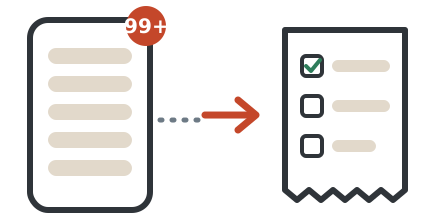
Notifications get swiped away; a slip of paper has to be finished. What hospital alerts and a WHO checklist teach us.
The 3Blue1Brown style: pose a question, draw it, let you discover it, and name it last. Ask an AI to explain "like 3Blue1Brown" and hard things get clear.
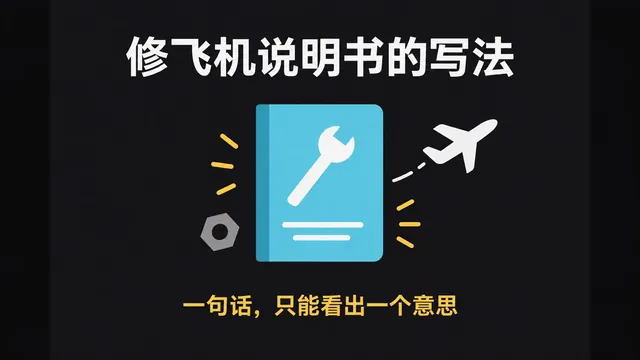
ASD-STE100: the strict one-meaning-per-sentence rulebook behind aircraft manuals, and the one line that makes AI explain things clearly.
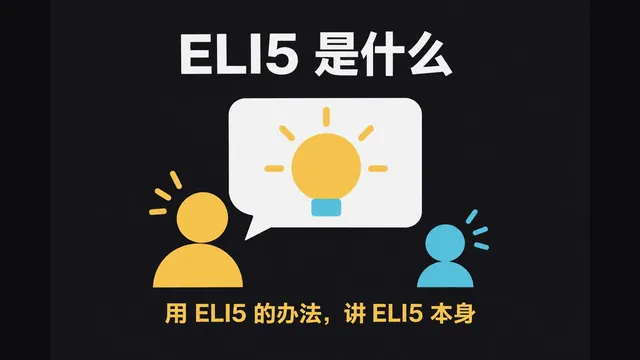
ELI5 explained the ELI5 way: where the four letters came from, four rules, why keeping it simple tests whether you really get it, and two common misunderstandings