12 pieces in this series — best read in order.
Eight sentences from a 2,300-year-old Chinese book, one situation each: how to read someone by their choices when fortune changes, and what the method can't do.
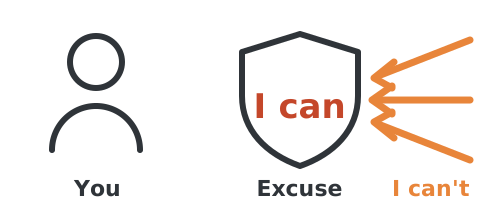
An excuse is a board between you and "I can't". How it differs from lying, why tight money makes it worse, and the one fix with evidence behind it.
The costliest mistakes don't throw errors: everything ran smoothly, yet the thing never arrived. A real incident, plus two rules you can use today.
Why things rot when anything can be built in a minute, how one developer kept 110,000 lines clean, and the same rules for a shop.
Nurses said they washed hands twice as often as they did. Why self-reports drift, why inspectors change behavior, and how to check for real.
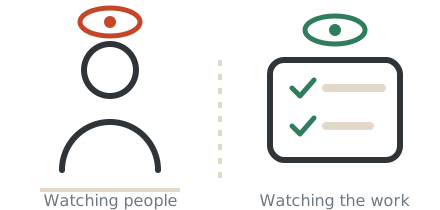
392 restaurants installed audit software: 22% less theft, 7% more sales. A factory hung a curtain: 10-15% more output. Watch the work, not the people.
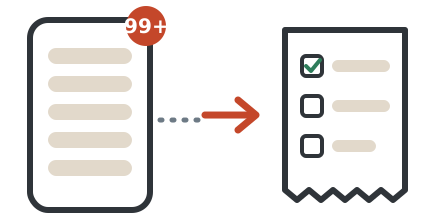
Notifications get swiped away; a slip of paper has to be finished. What hospital alerts and a WHO checklist teach us.
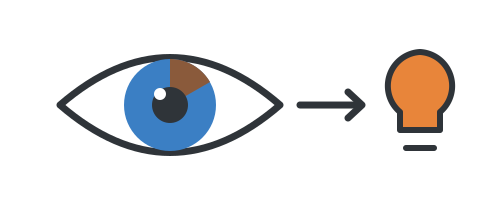
The 3Blue1Brown style: pose a question, draw it, let you discover it, and name it last. Ask an AI to explain "like 3Blue1Brown" and hard things get clear.
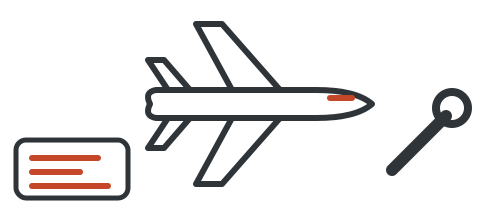
ASD-STE100: the strict one-meaning-per-sentence rulebook behind aircraft manuals, and the one line that makes AI explain things clearly.
ELI5 explained the ELI5 way: where the four letters came from, four rules, why keeping it simple tests whether you really get it, and two common misunderstandings
Learning depends on how hard your brain works, not the source. A classic experiment, the strengths of each way, and why AI can help or hurt.
It's not the length, it's who presses pause. The 8-second myth, the 6-to-9-minute sweet spot, two kinds of short, and what scrolling does.