Why do dogs love petting and walks so much?
Can't play sound? The illustrated version is right below.
Read the transcript
The full narration of the video.
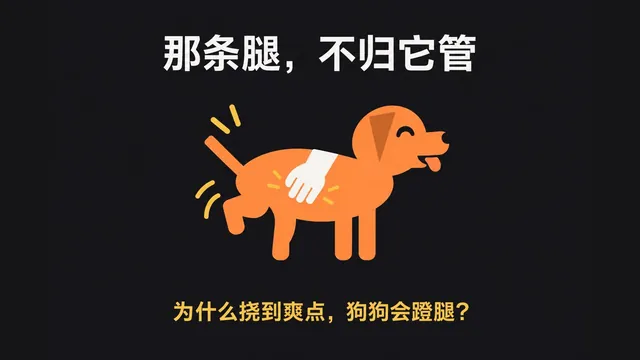
You pick up the leash, and it spins around the room. You stop petting, and it nudges your hand with its nose. Petting and walks: why do dogs love them so much? Scientists actually tested this, so let's look, one at a time. First, petting. In 2015, two researchers in the US led dogs into a room with two people sitting in it.
One person only petted the dog, the other only praised it: Good dog! The dog could stay near whoever it liked. The result: dogs stuck with the one doing the petting. When the two swapped roles, the dogs swapped sides too. Even when the praise came from its own owner and the petting from a stranger, it went to the stranger.
With just one person who praised but never touched, dogs stayed near them about as long as if nobody was there. Why do hands beat words? Because dogs don't say 'we're close' with sounds. A mother licks her pups, puppies sleep in a pile. Their bodies say: we belong together. Studies found that after an owner pets a dog for a while, a bonding hormone in the dog goes up. But these measurements don't always agree, so the evidence isn't solid yet.
Where you pet matters too. A hand coming down on its head can feel like something looming over it. One experiment found: petting the chest left dogs' hearts more relaxed. Now, walks. You might think it's about running. But look: it stops and starts, nose glued to the ground. A dog's nose has up to about 300 million smell cells. Ours has around 6 million.
You see scenery on a street. Your dog reads the street's newspaper: who passed by, male or female, how big. It's all left on lampposts and grass. In 2019, another team trained dogs for two weeks. One group sniffed out scents every day. The other walked to heel and followed commands. Before and after, they ran one test: a bowl in a spot that might or might not have food. How fast would the dog go check?
The sniffing group got there much faster, as if thinking: maybe there's a treat! The commands group didn't change. So the best part of a walk isn't how far it goes. It's how much it sniffs, and that it picks where. Put them together: petting is the language it understands best. A walk is its daily paper.
Next walk, when it stops, give it a little longer to sniff. And when you pet it, try the chest. Then tell me: did it lean in, or walk away?
In one line
Petting is the language it understands best. A walk is its daily newspaper.
One pat beats ten "good dogs"
In 2015, two US researchers led dogs into a room. One person only petted the dog; the other only praised it: "Good dog!" The dog could stay near whoever it liked.
Dogs say "we belong together" with their bodies
A mother licks her pups; puppies sleep in a pile. Dogs show closeness through touch, not sounds — so your hand says more than your words.
Some studies found that a bonding hormone (oxytocin) rises in dogs after their owners pet them for a while. But results don't always agree, so the evidence isn't solid yet.
Pet the chest, not the top of the head
Every dog is different: if it leans in, keep going; if it walks off, stop.
A walk isn't a run. It's the news.
A dog's nose has up to about 300 million smell cells; ours has around 6 million. You see scenery on a street. Your dog is reading the whole street's mail: who passed by, male or female, how big — all left on lampposts and grass.
Two weeks of sniffing made dogs more optimistic
In 2019, researchers tested dogs before and after: a bowl was placed where it might or might not hold food, and they timed how fast each dog went to check. The sniffing group got much faster, as if thinking "maybe there's a treat!" The commands group didn't change.
The best part of a walk isn't how far it goes — it's how much it gets to sniff, wherever it chooses.
Quick check
One person only praises a dog, another only pets it. Who does the dog stay near?
Touch is the language dogs understand best; praise alone was about the same as being ignored.