
Can't play sound? The illustrated version is right below.
The full narration of the video.
Scientists spent more than a year and a half watching seventy dogs go to the bathroom. They logged over eighteen hundred poops alone. They found something odd: when dogs squat, they often line their bodies up north to south. So do dogs really pick their spot? Yes, and they take it seriously. Before a dog squats, it runs through about four checks.
Check one: not where I sleep. At just three weeks old, puppies start learning from their mom and littermates. If you need to go, walk away a bit. Trainers put the bed in one corner and the toilet in the opposite corner. The puppy walks as far from its bed as it can on its own.
Check two: does the ground feel right? A puppy that learned on grass looks for grass. One that learned on concrete looks for concrete. That's why some dogs, after moving to a new kind of ground, hesitate for quite a while.
Check three: sniff out who's been here. Every pile carries the smell of the dog that left it. One sniff, and a dog knows who passed by. When it goes, two tiny pouches beside its bottom get squeezed too, leaving its own scent. Vets say this is most likely a marker: I was here.
Check four: is it safe here? While squatting, a dog can't run fast or fight well. Many trainers think that's why it likes a wall or a bush behind it. And north to south? The study says dogs only do it when Earth's magnetic field is calm. That's only about a fifth of the daytime. Why they do it, scientists still don't know.
So when it circles and sniffs forever, it isn't stalling. It's choosing: far from bed, familiar ground, the right smell, a safe back. Next walk, give it one more minute. To teach a puppy where to go, let it use the same kind of ground from the start. Which check is your dog pickiest about? Tell me in the comments.
Yes, and seriously.
Before squatting, a dog
runs four checks.
Scientists watched 70 dogs go for over a year and a half.
When squatting, they often lined up north to south.
Scientists in the Czech Republic and Germany followed dogs for nearly two years.
Earth’s magnetic field is sometimes calm, sometimes jittery, and we can’t feel it. Why dogs line up with it, scientists still don’t know.

Common, but not every dog does it. Three research-backed reasons, three vet explanations not yet studied, and when following can signal separation anxiety.
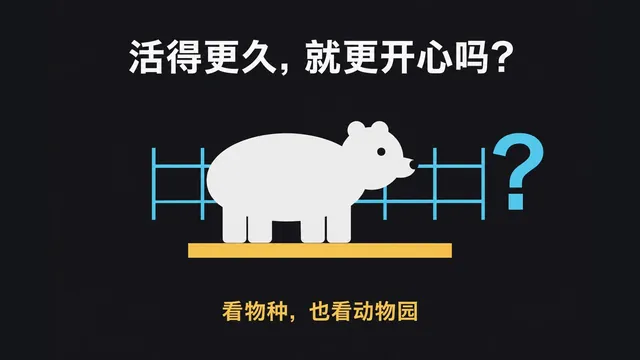
Most zoo animals outlive their wild cousins. But is a longer life a happier one? It depends on the animal and the zoo, plus three things to look for on your next visit.
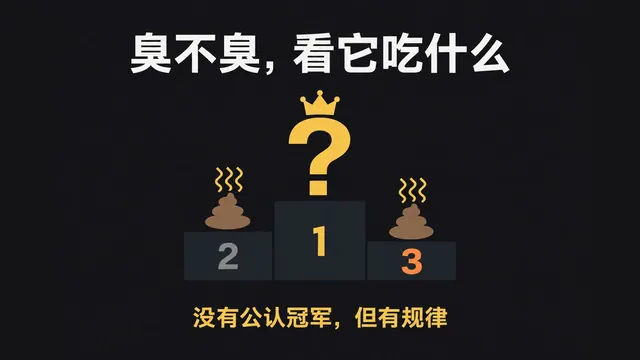
There's no official champion, but there is a pattern: the more meat an animal eats, the worse its poop usually smells. Then there are otters.

Nobody wrote animals a menu. Scissor teeth or millstone teeth, and gut helpers or none, decide what they can eat, shaped over generations.