Can't play sound? The illustrated version is right below.
The full narration of the video.
There are over eight billion people, each with ten fingers. So how can anyone say no two fingerprints are exactly alike? Let's be honest first: nobody has ever truly proven it. Yet scientists are still very confident. Because they know how fingerprints are made.
When you were still in your mother's womb, about ten weeks along, the skin on your fingertips started growing ridges. The ridges start from three places. The middle of the pad, under the nail, and the crease near the tip. They spread outward like ripples, and where they meet, the pattern is set. By about sixteen weeks, the tiny details are locked in. After that, they just grow along with your finger.
Where a ripple starts, when, and which way it goes— shift any of it a tiny bit, and the pattern comes out completely different. How the finger moves in the womb, what it bumps into— every little nudge counts. It's like crumpling paper. Two identical sheets will never crumple into the same wrinkles. The best evidence is identical twins. Their genes are almost exactly the same, but their fingerprints are not.
Look closer, and the ridges end and split. A clear fingerprint has forty to a hundred of these tiny details. In 1892, the British scientist Francis Galton estimated that the chance of two people having identical fingerprints is less than one in sixty-four billion. Today, more than a hundred million people's prints are stored in computers. They've been compared for decades. Not one true match between two people has ever turned up.
What really goes wrong isn't the fingerprint—it's the person comparing. Prints left at a scene are often just a small patch, and smudged. In 2004, the FBI got it wrong. It matched a print from a crime scene to an American lawyer. He was held for two weeks before he was cleared. So, to put it precisely: not a single matching pair has been found to this day. The ten patterns on your hands were crumpled into shape by you, before you were born.
What else have you always believed without ever asking why? Tell me in the comments.
Honestly, nobody has proven it. But in over a century, no matching pair has turned up.
Put simply: not “proven impossible,” but “never found, no matter how hard we look.”
It’s like crumpling paper.
Where a ripple starts, when, and which way it goes—shift any of it a little, and the whole pattern changes. Every move and bump in the womb gives it a nudge. Two identical sheets never crumple into the same wrinkles.
Together: not a proof, but very solid evidence.
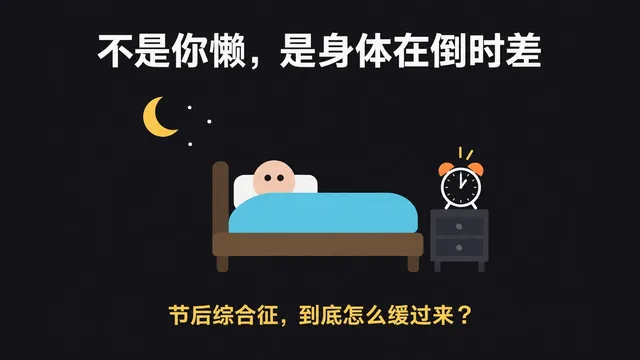
Feeling flat after a long holiday isn't laziness. Your body clock is jet-lagged. Three simple ways to wind it back.
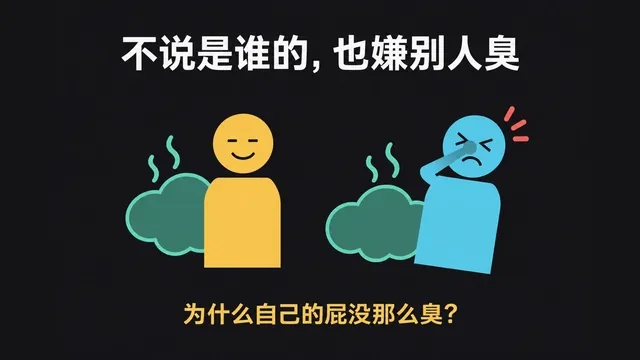
Same stink, different reaction: your brain files your own smell as familiar, and treats a stranger's as a germ alarm. Scientists tested it.
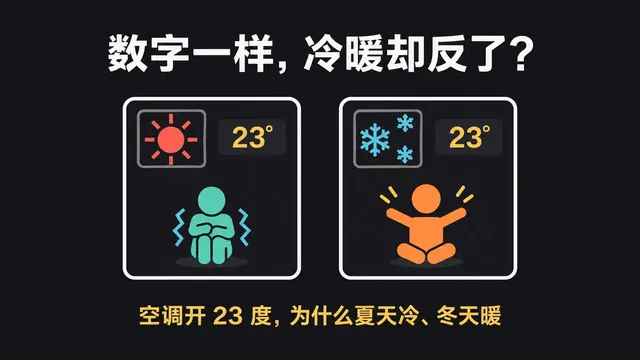
Same thermostat setting, opposite feeling. Your skin compares, your clothes change, and the vents blow hot or cold air.
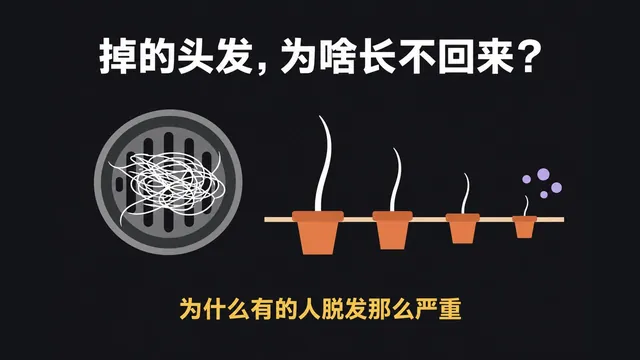
Every hair grows from a tiny pot. Some pots are born sensitive to androgens, slowly shrink, and grow thinner and thinner hair.