
Making it takes a minute.
But as long as it exists,
you have to keep looking after it.
The expensive part was never building it. It's having to look after it every day afterward.
Making things used to be slow. The slowness was a gate in itself: you weighed up whether it was worth it first.
In plain words: being able to make it is not the same as being able to keep it. The gate called "hassle" has been torn down, and stuff starts piling in.
Together these four have a name: "rot". Not that it breaks, but that it gets harder and harder to move. To change one spot, you first have to understand thirty.
One developer of a utility app had an AI write everything: thirteen versions, 110,000 lines. It didn't rot. He did five things, and none of them is magic:
This isn't a computer-only disease. A shop that's been open a long time catches the same four diseases:
So the five rules work in a shop too: set the rules yourself · let the process check itself · leave three things behind after every incident · make new things pass a gate · have an outsider verify at the end.
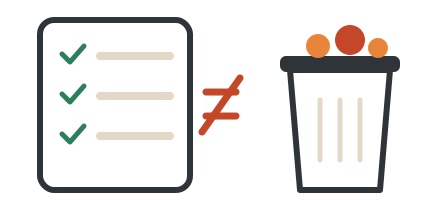
Nurses said they washed hands twice as often as they did. Why self-reports drift, why inspectors change behavior, and how to check for real.
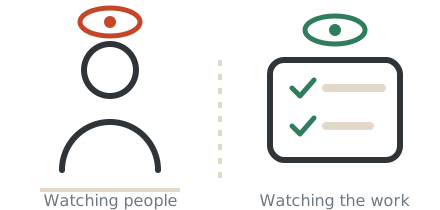
392 restaurants installed audit software: 22% less theft, 7% more sales. A factory hung a curtain: 10-15% more output. Watch the work, not the people.
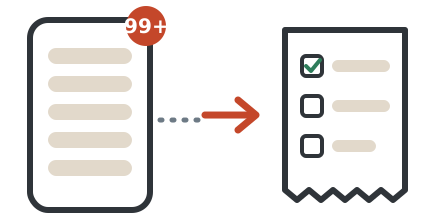
Notifications get swiped away; a slip of paper has to be finished. What hospital alerts and a WHO checklist teach us.

The 3Blue1Brown style: pose a question, draw it, let you discover it, and name it last. Ask an AI to explain "like 3Blue1Brown" and hard things get clear.