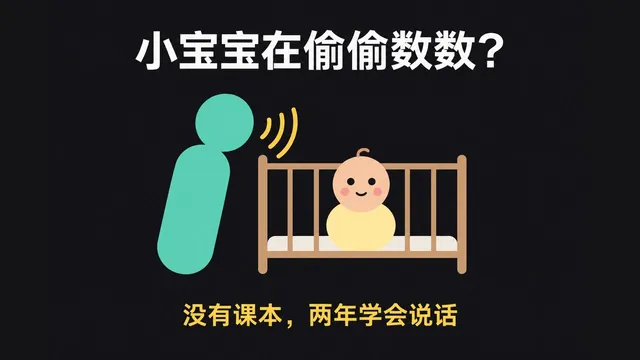
Why do babies
nurse to sleep?
Can't play sound? The illustrated version is right below.
Read the transcript
The full narration of the video.
Why won't a baby fall asleep unless they're feeding? A minute ago, a red-faced wail. A few sucks at the breast and the eyelids start to droop. But the moment you lay them in the crib, the eyes pop open again.
From the first sip to the last, a lot is changing inside that little body. Start with the mouth. Tongue and jaw move in a steady, rhythmic beat. Sucking itself calms a baby down. That's why even when they're not hungry, they love sucking a fist or a pacifier.
Further in is the tummy. The gut sends a signal called CCK, a messenger that says I'm full. Researchers tested the blood of babies just days old. Right after a feed, CCK jumped. Half an hour later, it jumped again. The first rise comes from the sucking itself. The second, from milk reaching the gut.
This signal helps the body relax. Give it to young rats, and they get drowsy after eating. Whether babies work the same way, the evidence is still thin. But feeling sleepy after a big meal? We all know that one. Night milk is a little different, too. It carries more of the ingredients that help with sleep.
Sucking, a full tummy, a warm pair of arms. Put them together, and off they go. So why do they wake the moment you put them down? For the first ten-plus minutes, a baby's sleep is very light. Arms twitch, and eyes flicker under the lids.
Move them now, and they wake right up. Even in deep sleep, a baby's sleep cycle lasts only about fifty minutes. At the end of each one, they surface for a moment. Think of sleep as a door. The last thing before falling asleep is the key.
They fell asleep feeding, so milk is their key. They wake, reach for it, and it's gone. The door won't open, so they cry. This has a name: sleep association. Babies tie whatever happens last to falling asleep. Rocking, patting, feeding: they're all keys. Milk just happens to be the strongest one.
So feeding to sleep isn't something you spoiled them into. It's their body and memory working together. If you want a new key, move the feed to the start of the bedtime routine. Lay them down drowsy but still awake. If they're feeding poorly, growing slowly, or can't be settled, talk to your doctor.
Tonight, try counting: from slow little sips to closed eyes, how many minutes does it take?
Asleep at the breast,
awake in the crib
A red-faced wail, a few sucks of milk, and the eyelids droop. Lay them in the crib, and the eyes pop open.
You didn't spoil them. Feeding itself makes a baby sleepy, and wanting milk on waking means they remember how they fell asleep.
Three things in one feed
lull them to sleep
Two small peaks
in a blood test
Researchers tested the blood of babies about 4 days old. Right after a feed, CCK jumped, then fell within ten minutes. Half an hour later, it jumped again.
The first rise comes from sucking itself; the second, from milk reaching the gut. Give this signal to young rats, and they get drowsy after eating.
Whether babies work the same way, the evidence is still thin. But sleepy after a big meal? We all know that one. Night milk also carries a bit more of the ingredients that help with sleep.
Why they wake
when you put them down
For the first ten-plus minutes, sleep is very light: arms twitch and eyes flicker under the lids. Move them now, and they wake.
Even in deep sleep, a baby's cycle lasts only about 50 minutes (an adult's is about 90). At the end of each one, they surface for a moment.
The door and the key
Think of sleep as a door. The last thing before falling asleep is the key.
A baby who falls asleep feeding uses milk as the key. They surface, reach for it, and it's gone. The door won't open, so they cry.
The real name is a "sleep association": babies tie whatever happens last (milk, rocking, patting, holding) to falling asleep. All of them are keys; milk is just the strongest, because it makes them sleepy on its own. See also: why tired babies fight sleep.
If you want
a new key
Feeding to sleep is normal; you don't have to change it. If they feed poorly, grow slowly, or can't be settled, talk to your doctor.
sips to closed eyes, how many minutes?
Quick check
Why does a baby who wakes at night often need milk to fall back asleep?
The last thing before sleep is the key; when they wake and it's gone, the door won't open, so they look for milk.