
Can't play sound? The illustrated version is right below.
The full narration of the video.
You send "Won't be for dinner tonight," and only then see the word "home" is missing. Almost everyone has done this. It isn't carelessness: your brain runs ahead of your fingers. When you type, two workers are teaming up in your head.
One is the reader. It picks the next word and hands words down one at a time. The other is the hands. They take each word and turn it into keystrokes. Experiments show the reader only deals in words. Which hand hits which letter, it simply doesn't know.
The trouble is, they work at very different speeds. In a test of over a hundred thousand people, the average typist managed about fifty English words a minute. The reader has already raced ahead. One word in the middle, it thinks it already handed over. That word was said in your head, but never reached your hands. The hands never got it, so they just typed the next one.
So why don't you catch it when you check? Because what you read is the meaning you intended. You know how the sentence should go, so your brain quietly fills in the gap. Tom Stafford, a psychologist who studies typos, says: we don't take in every detail like a computer does.
To catch it, make your words look unfamiliar. Change the font or the colour, or print it out and read it again. Dropping a word means your mind was busy with the meaning. Before you hit send, look again with a stranger's eyes.
Your brain runs ahead of your fingers. One word gets said in your head but never reaches your hands.
You read the meaning you intended. Your brain quietly fills in the gap.
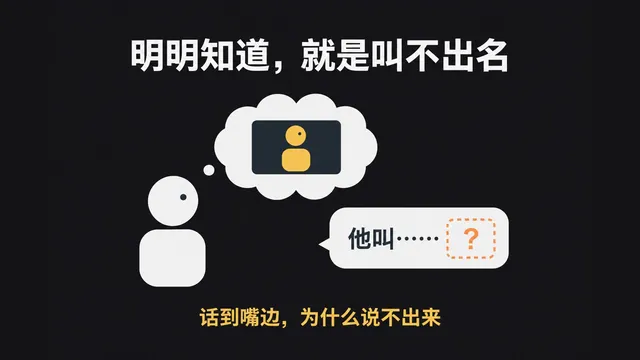
You know the word but can't say it: your brain found the meaning, but the path to its sound is overgrown.

That morning pee isn't water from nowhere. Your kidneys filter your blood all night, just slower, and the bladder fills up by morning.
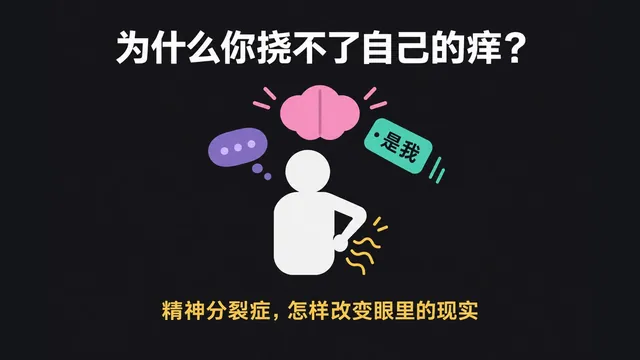
Your brain tags every feeling as 'me' or 'not me' and flags what matters. When those get scrambled, inner words sound like voices and ordinary things feel like signals.
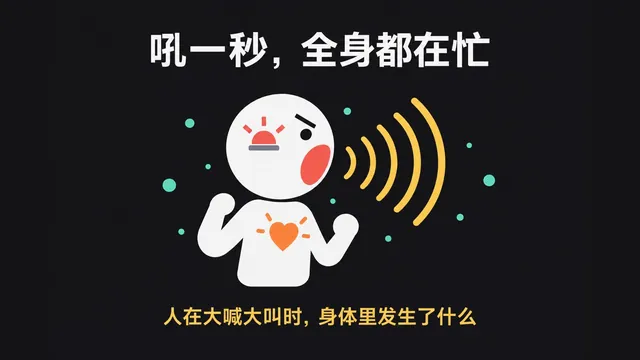
One second of shouting puts your whole body to work: a brain alarm, a rush of adrenaline, slamming vocal cords, even extra strength.