
Can't play sound? The illustrated version is right below.
The full narration of the video.
The name is right on the tip of your tongue. So why won't it come out? Almost everyone gets this. Young adults hit it about once a week, and it gets more common with age. One researcher checked fifty-one languages: forty-five describe it with the tongue, the mouth or the throat.
So scientists call it the tip-of-the-tongue state. To see why, you need to know one thing: your brain keeps every word in two places. One place holds the meaning: what it looks like and what it does.
The other holds the sound: how the word is said. A little path runs between them. To speak, you walk that path and fetch the sound. For words you say all the time, the path is walked every day, wide and smooth.
For words you haven't said in a while, grass grows over it. And as we age, the paths get a little narrower. The words that get stuck most often are names. You've already found the meaning, so you're sure you know it. But halfway down the path, the sound never arrives.
That's why, when you're stuck, you can often recall scraps of it, like the first letter, or how many syllables it has. So what do you do? About half the time, it comes back on its own. Don't force it. Do something else first. Or try saying words that sound similar. Experiments show that hearing a similar sound makes the word easier to find.
Next time a word is stuck on the tip of your tongue, don't panic. You do know it. The path just has a little grass on it.
You haven't forgotten it. Your brain found what the word means, but couldn't fetch how it sounds.
Psychologists call it the "tip-of-the-tongue" state. One researcher checked 51 languages: 45 describe it with the tongue, the mouth or the throat.
It's also different from losing your train of thought: there the whole sentence slips away; here just one word is missing.
Words you say every day have wide, smooth paths. As we age, the paths get a little narrower.
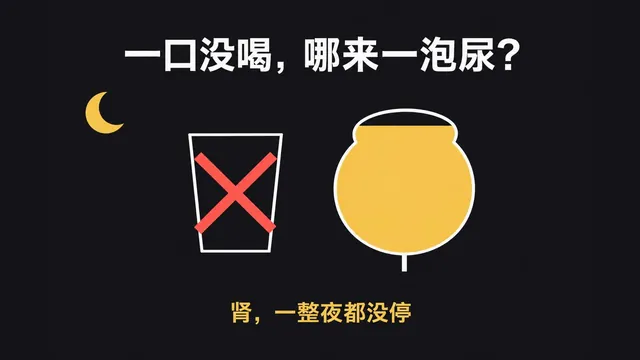
That morning pee isn't water from nowhere. Your kidneys filter your blood all night, just slower, and the bladder fills up by morning.
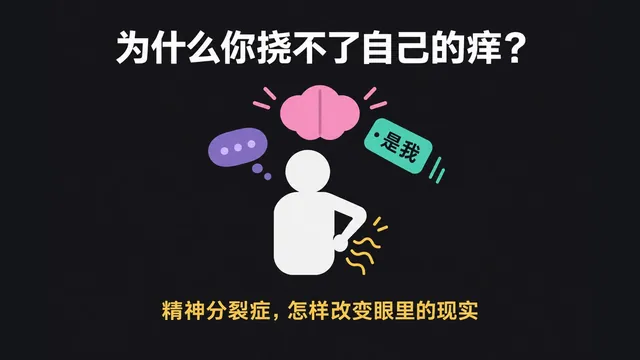
Your brain tags every feeling as 'me' or 'not me' and flags what matters. When those get scrambled, inner words sound like voices and ordinary things feel like signals.

One second of shouting puts your whole body to work: a brain alarm, a rush of adrenaline, slamming vocal cords, even extra strength.

The fun of drinking is real, but it's a loan. Is a little good for you, what a red face means, why quitting is hard, and how to stop safely.