Why do the youngest kids
need love the most?
Can't play sound? The illustrated version is right below.
Read the transcript
The full narration of the video.
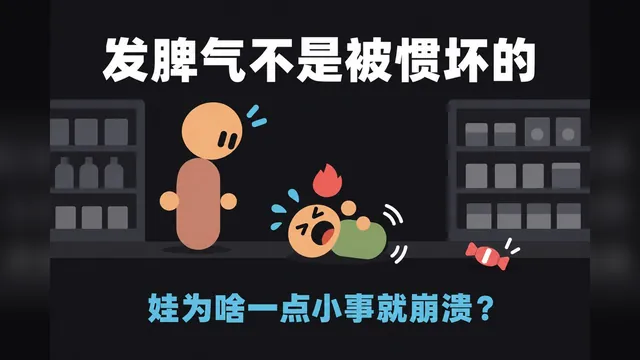
They say if you pick up a baby every time they cry, you'll spoil them. Yet the younger the child, the more they need that hug. You may have seen it: sit down with a crying baby, and the crying goes on; stand up and walk a few steps, and it stops.
Researchers once measured the heartbeats of babies one to six months old, held both ways. The moment mom got up and walked, the baby's heart slowed right down, and the kicking stopped. Mouse pups go still when their mother carries them, too. It's built in. The baby isn't playing tricks.
So why does a crying baby need someone else to help them stop? Crying is an alarm going off inside: the heart speeds up, and stress hormones rise. Adults can switch the alarm off themselves, take a deep breath, and say it's fine.
Babies can't yet. The part of the brain that reins in feelings grows slowest, and isn't finished until adulthood. So, they have to borrow your calm. It's a bit like learning to ride a bike. A beginner wobbles and starts to tip, and the grown-up holding the seat keeps them up.
Each time you steady them, they find a little more balance. Feelings work the same way. Each time a cry is answered, the brain walks the path from panic back to calm once more. Walk it enough times and the path gets paved, and they slowly learn to steady themselves.
Scientists call this co-regulation: an adult's calm helping a child settle. The hand on the bike seat is your hug, your voice, your eyes. So why does it matter most when they're youngest?
Because in the first year, a baby's brain roughly doubles, and the paths are being laid fastest. One long-running study found that children who lacked care caught up more, the earlier they moved into a loving home. Hold a bike too long and a kid may never let go; babies are different: the more reliably they're caught, the bolder they explore on their own.
Older kids need love too; it just shifts from carrying them to hearing them out. Of course, crying can also mean hunger or illness; if it won't stop, see a doctor. Tonight, when your little one fusses, don't sit and soothe: pick them up, walk a few steps, and count the seconds.
At your house, do you pick them up first, or wait a bit?
Pick them up and walk:
the crying stops
Sit down with a crying baby and the crying goes on. Stand up and walk a few steps, and it stops. That is not luck.
Researchers measured the heart rate of babies aged 1 to 6 months. The moment the mother stood up and walked, the baby's heart slowed down and the kicking stopped. Mouse pups carried by their mother go quiet the same way.
It is a built-in reflex, not a baby playing tricks.
A baby can't switch off
its own alarm
Crying means the body's alarm is going off: the heart speeds up and stress hormones rise.
Put simply: they have to borrow your calm.
Like holding the back
of a learner's bike
A child on a bike for the first time tips over at every wobble. An adult holds the back of the seat. Each time, the child finds a little more balance.
Feelings work the same way. Each time a crying baby is caught, the brain walks the path "upset, then steady" once more. Walk it enough times and the road gets built. Slowly the child learns to steady on their own.
The real name is co-regulation: an adult's calm helps a child settle. You have seen it: a sobbing toddler is hugged, sniffles a few times, and stops.
The first year
builds roads fastest
In the first year after birth, a baby's brain roughly doubles in size. Paths walked now are the ones most likely to stay.
A long-running study followed children raised without enough care. The earlier they moved into a loving foster home, the more they caught up, most clearly when it happened before age two. Moving later still helped, just more slowly.
Will holding them
spoil them?
Older kids need it too. It just changes from "carry them" to "hear them out".
Crying can also mean hungry, tired or sick: go through this checklist first. If the crying will not stop, see a doctor.
the more they borrow your calm
Quick check
A baby won't stop crying. What usually calms them fastest?
Walking while holding a baby slows their heart right away. Like holding the back of a learner's bike: they borrow your balance first.