Ongoing · 34 so far
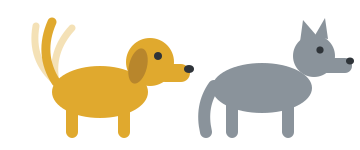
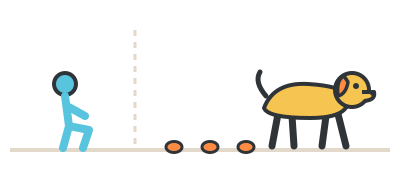
Wolves wag to say "you're the boss." Dogs wag far more. Did it come along with tameness, or did people pick the waggers?
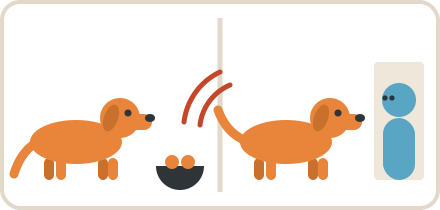
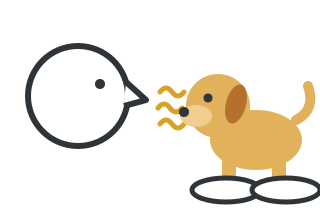
Do dogs wag when no one is watching? An experiment found they wag far more with a person nearby, though stress stays the same. A wag is for you.
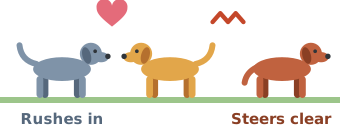
A wagging tail often leans to one side: right for an owner, left for a stern stranger dog. Other dogs can read it, like a turn signal nobody flips.
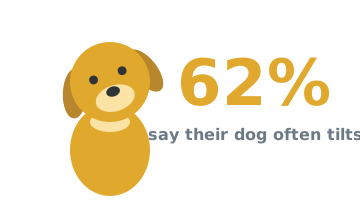
Dogs that know their toys' names tilt far more when they hear them. Ears, eyes and memory each offer a reason.
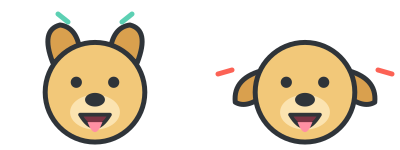
Not always: an open mouth just means a dog is working hard, like a computer fan. To tell happy from stressed, check whether the ears are forward or pinned back.
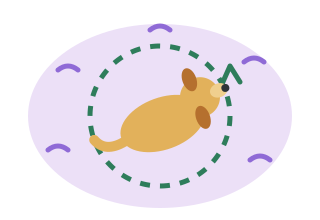
Turning before a nap is bed-making, and two slow turns aren't enough to make a dog dizzy. Plus the water-filled tubes in your ears.
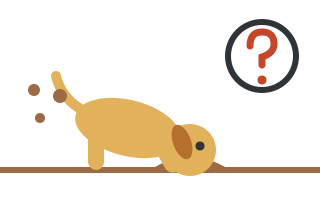
Where a dog digs is what it means: by the bathroom spot it's signing its name, in bed it's making a nest, in the yard it has a job to do.
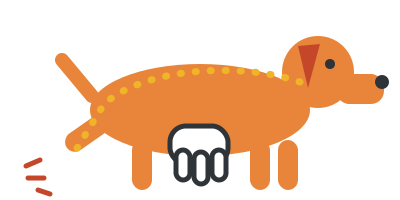
That leg isn't really under the dog's control: you've found a bug-kicking switch run by the spinal cord, not a sweet spot.
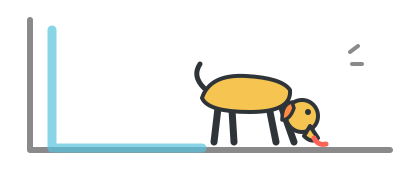
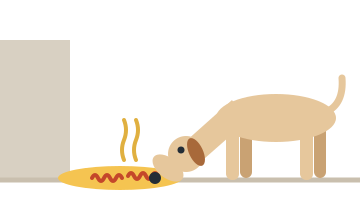
A dog licking the floor along the walls is often not bored: 14 of 19 such dogs had gut problems. Like gulping when carsick, it may be nausea.
No superpower: a dog's gut squeezes itself like a toothpaste tube, and walking makes it squeeze harder. Humans have a bend that makes us stop and squat.
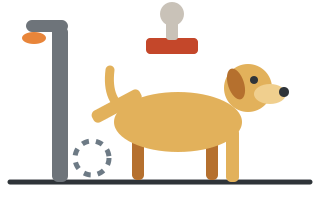
It isn't going to the toilet. It's stamping a mark, and out of ink, it stamps anyway.
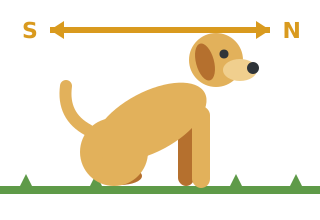
All that circling isn't stalling. Before squatting, a dog runs four checks, and often lines up north to south.
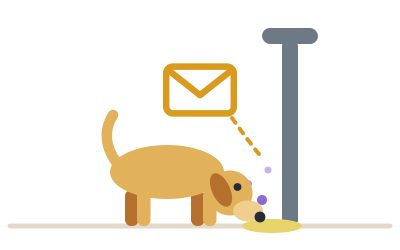
Every puddle is a signed letter: sniffing is reading, and peeing on top is writing back. Here's what's inside.
Sniffing alone is a small risk: the smell floats up, but rat-pee germs stay in the puddle. Licking and drinking are the real danger.
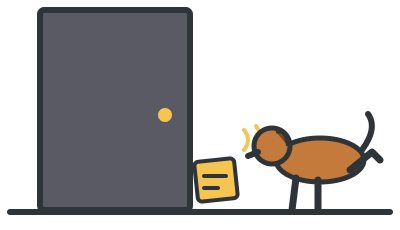
Your doorstep is a dog message board. Plain water smudges the note but leaves it up; an enzyme cleaner tears it off, and a leash tug keeps it walking.
Common, but not every dog does it. Three research-backed reasons, three vet explanations not yet studied, and when following can signal separation anxiety.
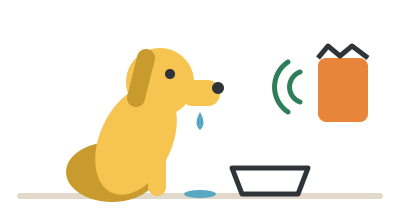
Your dog's drool often arrives before dinner does. It has learned the sound of mealtime, a conditioned reflex Pavlov first measured.
A puppy's mouth is like a new kitchen: only milk, brand-new teeth, few bacteria. By three to six months, as teeth change, the milky smell fades.
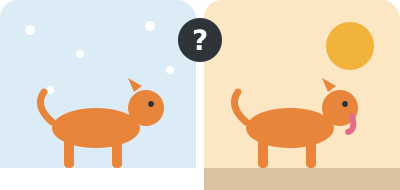
Dogs are built for cold: an insulating coat and a heat loop in their paws. But they cool mostly by panting, so heat is their weak spot.
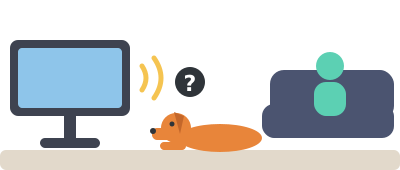
A dog's extra hearing is for higher and fainter sounds; for TV dialogue it hears about like us. What matters is sudden bangs and nonstop noise.
Seizure-response dogs can be trained reliably; early warning may come down to the nose, but the evidence is still thin.
A cat's tongue is a comb that grows the wrong way, so fur can only go down. Dogs chew fur when they itch or are bored. Plus when to see a vet.
Chocolate, sugar-free gum, onions and grapes are fine for people. The catch isn't the food: a dog's body is missing one tool for each.
A stolen bite is no poison. But cats can't make enough taurine, so dog food harms their hearts and eyes; cat food is too rich for dogs.
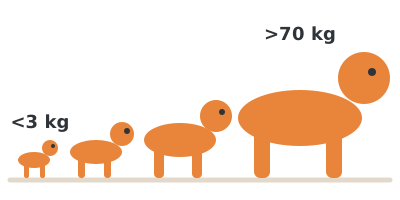
Most of today's 300+ dog breeds are under 200 years old. Dogs didn't evolve fast on their own: people chose for them, every generation.
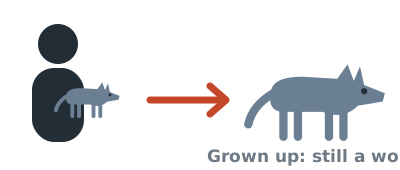
Dogs did come from wolves, but not from one pup carried home: a group of wolves at people's doors was picked, generation by generation, over thousands of years.
From far away, dogs spot other dogs by sight. Up close, the nose reads a scent business card that says which dog it is.
Hormones, happy tears and a brain that lights up: a dog's welcome is most like a toddler spotting Mom or Dad at kindergarten pickup.
In experiments, dogs chose a stranger who petted them over an owner who only praised them, and the best part of a walk is the sniffing.
They can't read clocks, but body rhythms, routines and maybe scent tell them time has passed. They notice 30 minutes vs 2 hours, but not 2 vs 4.
That guilty look isn't an apology — your dog is reading your face. It can also hear whether your praise is real.
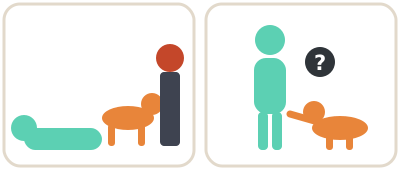
Dogs can tell whether you kept a toy on purpose or by accident. A clear-wall experiment and a football referee explain how dogs read your hands.
Dogs can't tell us, so we work backwards: the sniff, the play bow, a warm chemical inside, and the stiff body that says back off.
Worldwide, a few more people keep dogs. But in Europe and in China's cities, cats have pulled ahead. It all depends on how and where you count.