
Can't play sound? The illustrated version is right below.
The full narration of the video.
New backpack, same laptop, and somehow it feels lighter. Yet the laptop hasn't lost a single gram. The scale isn't lying; the weight didn't change. What changed is where it presses on you, and how. Try carrying a bucket of water. Close to your body, or at arm's length: which is harder?
Arm's length, by far. The farther a weight is from your body, the harder it pulls you toward it. Backpacks work the same way. A pack that sags away pulls you backward, so you hunch forward to fight it. A good pack hugs your back. Heavy things like a laptop go in the pocket closest to your spine.
Trick two: carry it somewhere else. Your shoulders have little muscle, with bones and nerves just underneath. Your hips and legs have the biggest, strongest muscles in your body. That's why hiking packs have a wide belt that sits on your hip bones. About 80 percent of the weight rests on your hips; your shoulders just keep it steady.
Trick three: spread the pressure. With the same load, thin straps dig in, while wide padded ones don't hurt. It's like lying on a bed of nails. The more nails there are, the less each one pokes. Last trick: don't let it swing. A loose pack yanks at you with every step.
Tighten the straps, and the pack moves as one with you. So the backpack didn't make anything lighter. It keeps the weight close, on your hips, spread out, and steady. Next time your bag feels heavy, don't blame the laptop. Tighten the straps and let it hug your back.
The weight doesn't change.
A good backpack changes where it presses, and how.
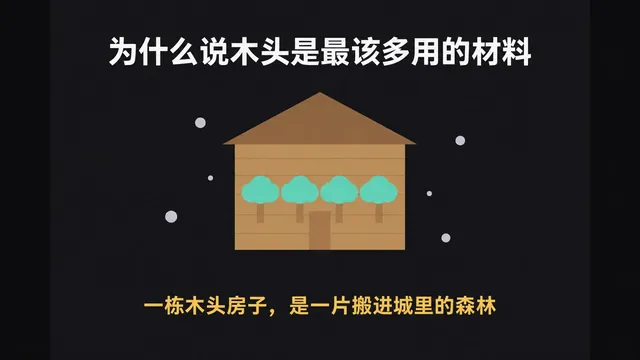
A cubic metre of wood holds about a tonne of CO2. Swap some cement and steel for wood and buildings store carbon instead of releasing it — if the trees are replanted.
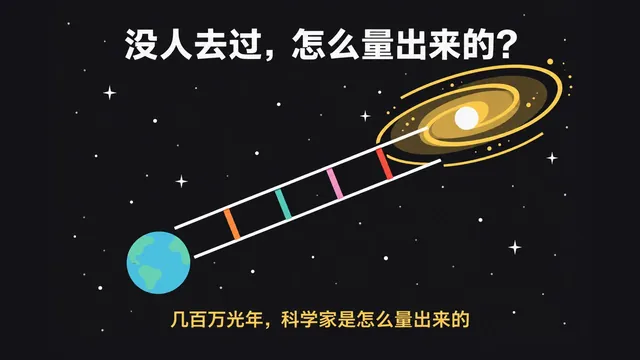
No one has been to Andromeda and no ruler reaches that far. Astronomers built a four-rung ladder that starts with your thumb.
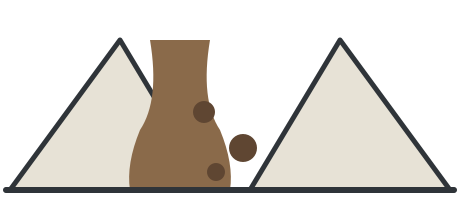
Not just "too much water": a whole gully of rock, mud and water that moves like wet concrete. What it is, the warning signs, and which way to run.

The Chinese names for kiwifruit: seeds left Yichang for New Zealand in 1904, it was renamed in 1959, and the price gap comes from variety and brand, not name.