48 pieces · best read in order
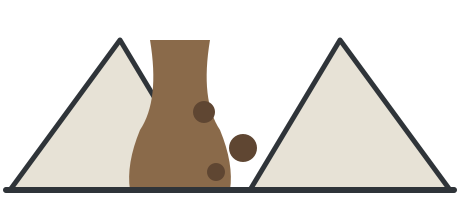
Not just "too much water": a whole gully of rock, mud and water that moves like wet concrete. What it is, the warning signs, and which way to run.
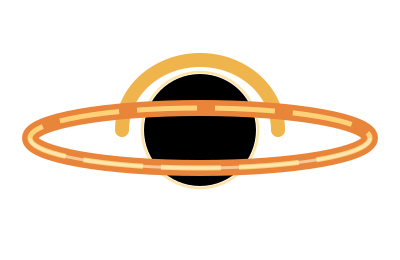
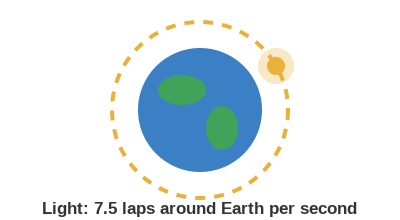
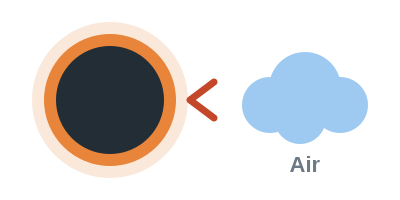
A place where you can go in but never come out, not even light. What it is, why nothing escapes, how we 'heard' two collide, and why Earth is safe.
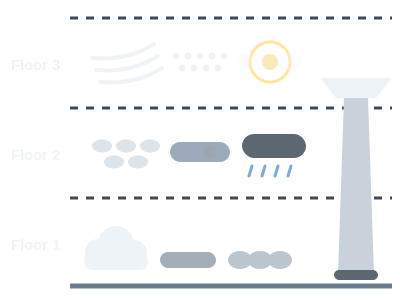
The ten cloud types, learned through five Latin roots and a three-story sky: why "alto" clouds aren't the highest and which one brings thunder and hail.
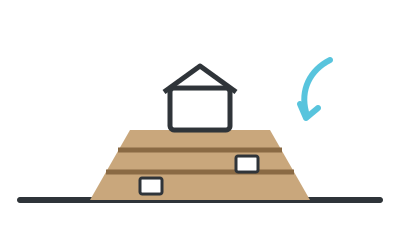
Cities get buried by layers piling up in place: rebuilding on ruins, volcanic ash, floods and sand. Will the ground reach space? No, Earth's surface works like a slow conveyor belt.
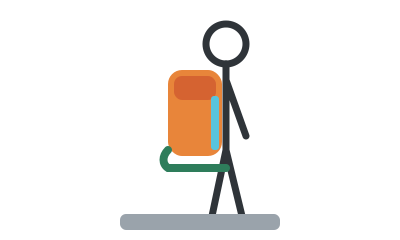
Same laptop, new bag, and it feels lighter. The weight didn't change: a good pack keeps it close, puts it on your hips, spreads it out, and stops it swinging.
A cubic metre of wood holds about a tonne of CO2. Swap some cement and steel for wood and buildings store carbon instead of releasing it — if the trees are replanted.
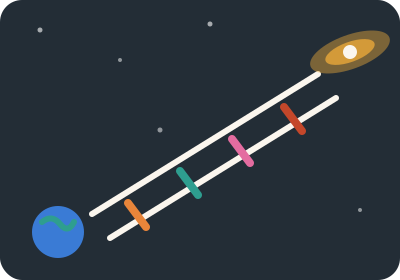
No one has been to Andromeda and no ruler reaches that far. Astronomers built a four-rung ladder that starts with your thumb.
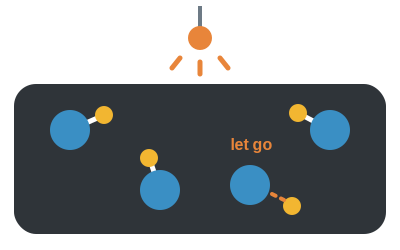
Atoms in a hot gas are like dance partners holding hands. The Saha equation tells how many let go, and it lets us read a star's temperature from its light.
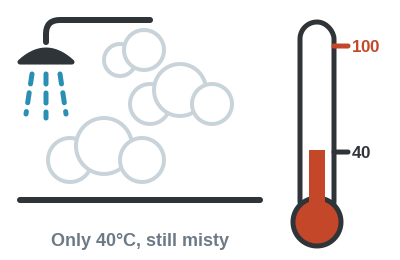
Water turns into vapor at any temperature. When warm, vapor-filled air meets cooler air, the extra condenses into tiny droplets—that's the mist you see.
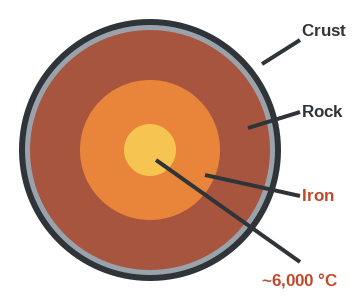
Earth's core is about as hot as the Sun's surface. Most of that heat was stored up when the planet was born, and it still hasn't cooled after 4.5 billion years.
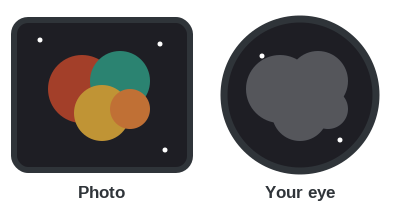
To your eye, most nebulas are a faint gray smudge. The light and shapes in photos are real; some colors are true, some are translated.
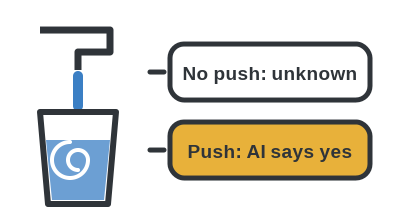
In September an AI claimed to crack this million-dollar puzzle about flowing water. It isn't official yet, and it only covers the half where the water is pushed.
It's really the top speed of news: anything faster would let effects arrive before their causes.
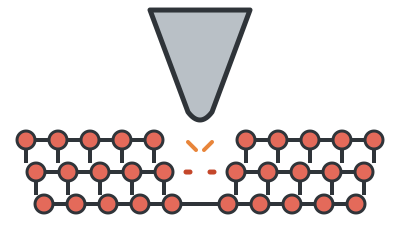
Atoms have no shell, just a fuzzy cloud. The microscope, like a thick glove, smooths it into round dots.
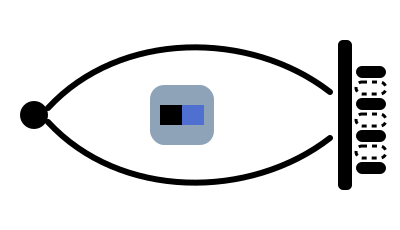
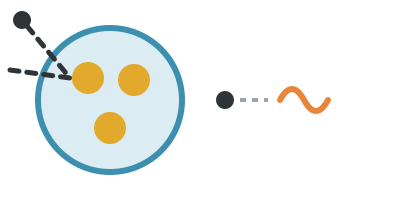
A sealed magnet never touches the electrons, yet their interference stripes still shift. Here's why that strange result changed how we see the quantum world.
Time slows near them, bigger ones are gentler, the biggest are lighter than air, they sing, and they slowly evaporate.
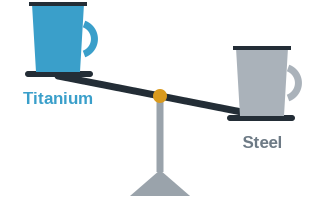
Same size, but the titanium cup is over 40% lighter. Four little tests on weight, rust, heat and price show what really sets them apart.
Trace your phone, the internet, vaccines and the wall socket back to the ten papers that changed an ordinary day.
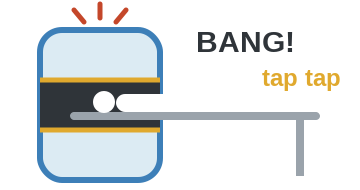
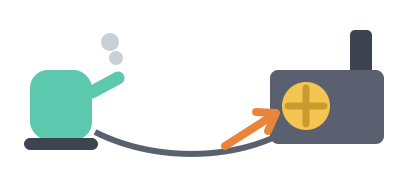
All that banging comes from a giant speaker in disguise: the big magnet is silent, but coils switching thousands of times a second get shoved hard.
Nothing sends it out. It comes built into space, like a dial at every spot, and it switched on when the young universe cooled.
Multiplying by i is a right-angle turn. Complex analysis studies machines that bend a whole plane without breaking a single right angle.
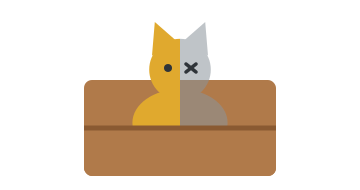
Is the cat in the box dead and alive? Schrödinger told the story to poke fun at an idea. Here's why tiny-thing rules don't scale up to cats.
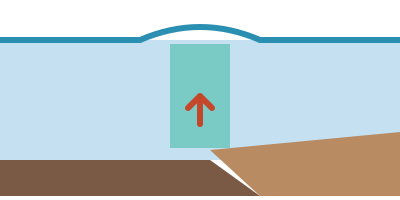
A seafloor slab snaps up and lifts the sea. Out at sea the wave is jet-fast but under a meter tall; in shallow water it slows, piles up, and becomes a wall.
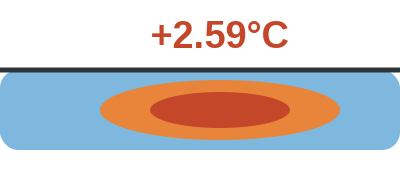
A bathtub and a fan explain how the Pacific's warm water moves house — and changes the weather across half the planet.
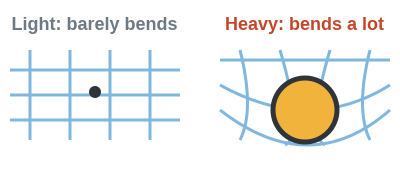
Two people walking due north meet at the pole with no one pulling. Apples fall the same way: the road is bent, and what bends most is time.
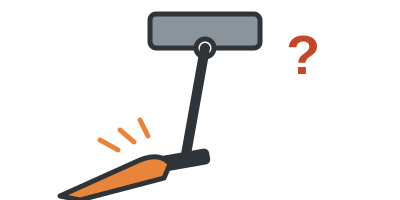
Full braking needs about 50 kg of push; a good pedal takes 150+. In an emergency, the real risk is not pressing hard enough.
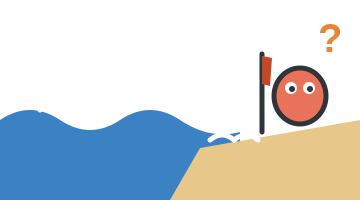
No wind on the beach, waves anyway: what travels isn't water but energy from a storm thousands of kilometers away, until the shallows trip it.
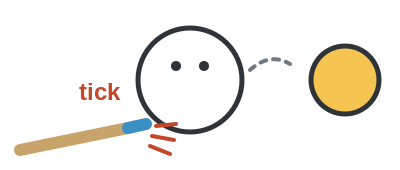
Just over 1 cm below center is enough. Lower risks a miscue, and stabbing down doesn't help.
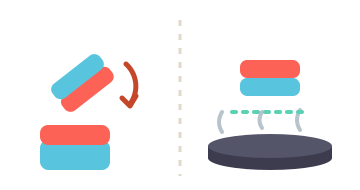
A knife never splits atoms. It pulls apart the grips between molecules, and the gap opens ahead of the edge. Plus: why tomatoes squash and cut halves won't stick.
In winter a tall building acts like a chimney, pulling cold air in at the doors. A revolving door works like a canal lock: it's always closed.
The sky's blue is blue light knocked aside by air. The sea's blue is what's left after water eats the red. A glass is too short to show it.
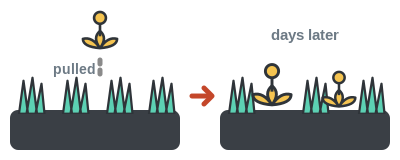
Seeds wait underground like a checkout line. Weeding opens a gap and calls the next one up.
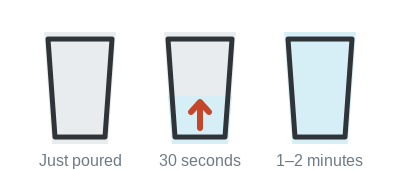
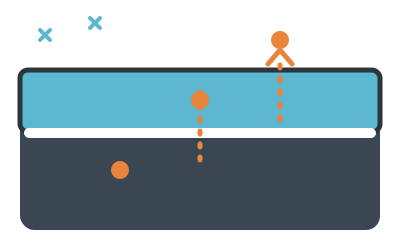
The white is millions of tiny bubbles: air squeezed into the water in the pipes rushes out when you open the tap, so the glass clears from the bottom up.
Chilled to -196°C, a superconductor stitches field lines through tiny flaws, so a magnet hangs on even upside down.
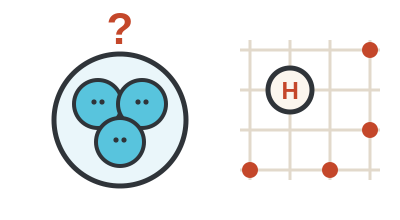
Skip the names. Three rules let you work it out yourself: the books balance, quarks never go out alone, and whatever isn't forbidden happens.
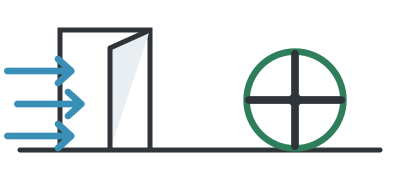
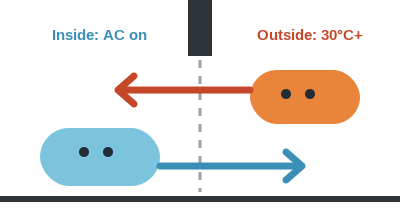
Store doors stay open, yet the cold stays in: an air curtain blows a waterfall of air down the doorway and pushes outside heat back.
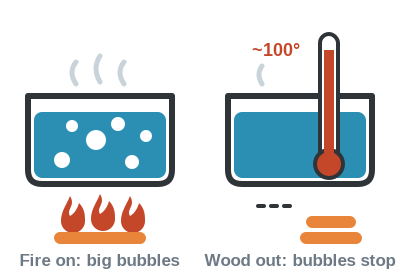
Turn off the heat and the bubbles stop in seconds, yet the water is still near 100°C. Boiling water spends every bit of heat on bubbles and saves none.
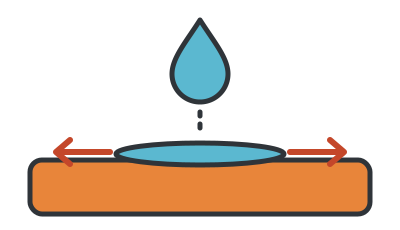
Water drops don't hammer stone. They flatten and scrape sideways, while a trace of acid in rain softens the rock. Same spot, millions of times.
New ice forms at the bottom, and its heat must escape up through all the ice above. Twice as thick means four times as long, so one metre takes about 100 days of cold.
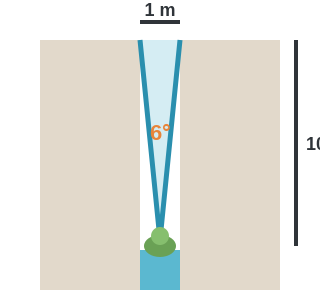
Measure the frog's sky: from the bottom of a 10 m well it sees just 1/800 of the sky, and in Beijing the Sun never crosses its opening.
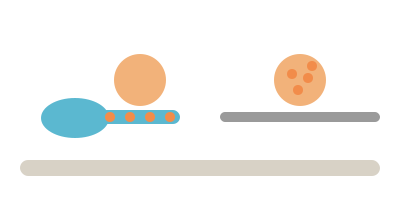
There's no cold inside cooling bedding. It pulls heat from your skin fast, then warms up, which is why flipping the pillow works.
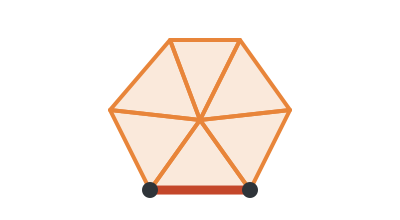
Measure one line precisely, sight angles from hilltops, and triangles tile a whole country. Where they never reached, old maps went wrong.
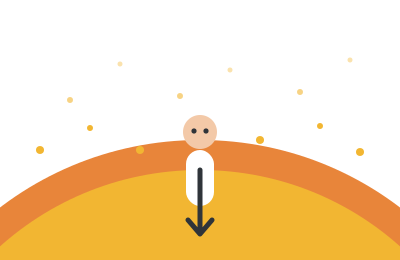
The Sun has no ground. Its visible surface is a thin layer of glowing gas, 10,000 times thinner than air, where light can finally escape.
Wires can't store electricity, so every second the plants must make exactly what we use. A shallow rooftop tank explains how the grid keeps 50 Hz steady.
No one has seen a lone quark, yet quarks count as real. Strings are far too small for any collider to reach, so string theory stays a guess.
The Sun looks like any other star. Pulsars blink like lighthouses, and in 1972 we sent a map of them into space.
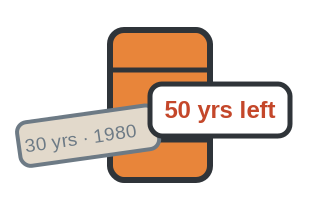
We heard "30 years left" in 1980 and "50 years left" today. A corner-shop picture shows why the number counts the shelf, not the ground.
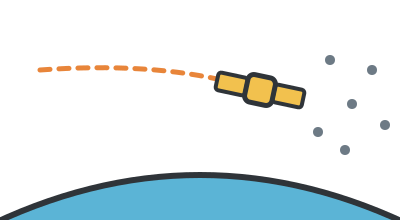
Space isn't empty. Thin air keeps slowing satellites so they sink: 100 m a day at 400 km. To last centuries, fly above 1,000 km.