
Can't play sound? The illustrated version is right below.
The full narration of the video.
In a hospital, a tiny trickle of dopamine dripped into a vein can hold up a patient's blood pressure. So what if you swallowed a whole tablespoon? Would you float off in bliss? Dopamine gets called the happy molecule. Really it's more like a little messenger in your brain, shouting: go get that good thing!
So where does a spoonful actually go? Let's take some guesses. Guess one: it rides the blood all the way up to the brain. But the brain is ringed by very strict gatekeepers. Not everything in the blood gets in. Dopamine almost never does.
That's why doctors treating Parkinson's don't give dopamine itself. They give the molecule it's made from. That one gets through the gate, then turns into dopamine inside. Guess two: then surely it stays in the blood and gets your heart racing? Not really. The wall of your gut has a crew of workers who stick a 'void' label on any dopamine you swallow.
Anything that slips past gets taken apart fast in the blood. Half of it is gone in under two minutes. Every time you eat a meal, the labeled dopamine in your blood jumps more than fiftyfold. And you don't feel a thing. Rat studies agree: swallowed dopamine takes hundreds of times more than injected dopamine to do serious harm.
So what does a whole spoonful do? It's so much that the workers can't keep up. Some of it slips through into the blood. At the base of the brain, there's a small patch that sits outside the gate. It's the body's poison alarm. When dopamine touches it, the alarm goes off: throw up, now!
The ones that slip through might also throw your heartbeat off for a while, and swing your blood pressure up and down. So here's the answer: a spoonful of dopamine won't make you happier. Most likely, it'll just make you sick. Happiness isn't something you can eat by the spoonful. Your brain makes its own, right when it needs it.
Please don't try this one yourself. Got another weird thing you wonder about eating? Leave it in the comments.
In a hospital, a tiny trickle of dopamine dripped into a vein can hold up a patient's blood pressure.
So what if you swallowed a whole tablespoon? Would you float off in bliss?
Dopamine gets called the "happy molecule." Really it's more like a little messenger in your brain, shouting: go get that good thing! So where does a spoonful actually go? Let's take some guesses.
The brain is ringed by very strict gatekeepers. Dopamine almost never gets in.
That's why doctors treating Parkinson's don't give dopamine itself. They give the molecule it's made from. That one gets through the gate, then turns into dopamine inside.
Not really. The wall of your gut has a crew of "workers" who stick a "void" label on any dopamine you swallow.
Anything that slips past gets taken apart fast in the blood — half of it is gone in under two minutes. It happens every time you eat a meal, and you never feel it.
A spoonful is so much that the workers can't keep up. Some of it slips into the blood.
At the base of the brain there's a small patch that sits outside the ring of gatekeepers. It's the body's poison alarm. When dopamine touches it, the alarm goes off: throw up, now!
The ones that slip through might also throw your heartbeat off for a while and swing your blood pressure up and down.
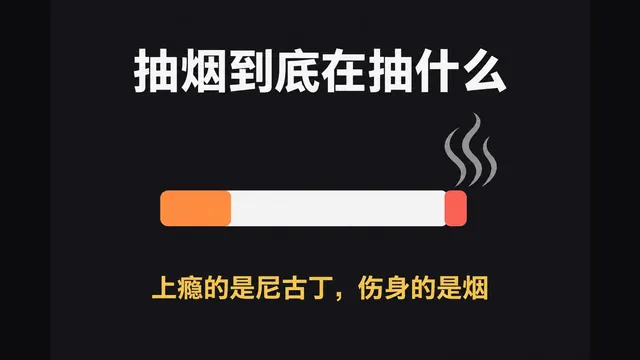
Nicotine hooks you; the smoke harms you. Why a cigarette feels relaxing, whether one a day is OK, what quitting does, and why it's hard.
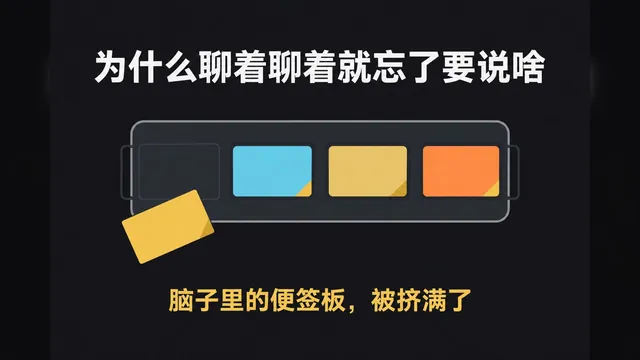
It isn't your brain breaking: the thought sits on a tiny mental sticky-note board that gets crowded in conversation, and a new topic turns the page. Plus three small tricks.

It isn't carelessness: your brain hands words to your fingers one at a time and races ahead, so one never arrives. Then it fills the gap when you reread. How to catch it.

You know the word but can't say it: your brain found the meaning, but the path to its sound is overgrown.