The line you joined may be hired
Can't play sound? The illustrated version is right below.
Read the transcript
The full narration of the video.
Thirty people standing in line for a day costs about three thousand yuan. That's the going rate reporters found undercover at viral shops: about ninety yuan per person per day. The middleman takes ten more. Thirty is just the minimum. They arrive in waves, buy something, loop back to the end, and the line never gets shorter.
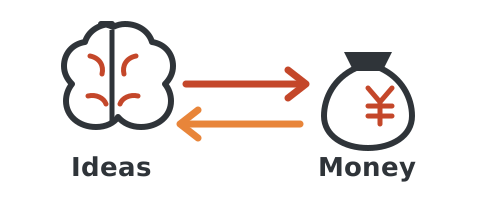
Some shops, on a holiday, spend close to ten thousand a day on it. Thousands a day. What's a new shop buying? That little tug you feel when you walk past. Picture an exam, and a question you can't answer.
Unsure, you sneak a look at your neighbor's paper and write what they wrote. Outside a new restaurant you've never tried, it's the same. You don't know if it's good. So you look at everyone else. Long line? Must be good. Hiring a line is writing a fake answer on your neighbor's paper, and waiting for you to copy it.
Researchers once watched two fast-food places, side by side, next to a university. At the start of the school year, new students hadn't tried either, and more of them went wherever the line was longer. By mid-year, everyone had eaten at both, and line length barely mattered anymore.
Once you know the answer, why peek? That's why hired lines show up at brand-new shops. Right then, the line is the only clue a passerby has. People paid to queue are called line shills. The job posts say "crowd filler, part-time", and they pop up in student job chats.
Your neighbor's paper is the line out front. Choosing by watching what others choose: economists call it observational learning. So when you see a long line at a new place, do you join it, or walk around it? The line alone can't tell you. Genuinely good places have long lines too.
But a fake line doesn't last. Once enough people have eaten there, they trust their own taste, not the line. And lawyers have said hiring a line to fool customers may count as fraud. Next time you see a new place with a long line, note the name, and walk by again in three months.
Come back and tell me: is there still a line?
The price
of a line
Thirty people standing in line for a day costs about 3,000 yuan.
That's the going rate Chinese reporters found undercover: about 90 yuan per person per day, plus 10 for the middleman. Thirty is just the minimum. They arrive in waves, buy something, loop back to the end, and the line never gets shorter.
On a holiday, some shops spend close to 10,000 yuan a day on it.
What the shop is buying:
your little tug
Picture an exam and a question you can't answer. Unsure, you sneak a look at your neighbor's paper and write what they wrote.
Outside a restaurant you've never tried, it's the same. You don't know if it's good, so you look at everyone else. Long line? Must be good.
Hiring a line is writing a fake answer on your neighbor's paper and waiting for you to copy it.
Two fast-food places
by a university
Once you know the answer, why peek?
That's why hired lines show up at brand-new shops. Right then, the line is the only clue a passerby has.
The real
names
Join it,
or walk around?
Quick check
Why do hired lines mostly show up at brand-new restaurants?
Like peeking at a neighbor's paper: with no taste of their own yet, people go by the line, until enough of them have eaten there.