Not hungry a minute ago. Why the sudden craving?
Can't play sound? The illustrated version is right below.
Read the transcript
The full narration of the video.
Three in the afternoon. You've just had lunch, and you're not hungry at all. A coworker mentions, offhand: a new bubble tea shop just opened downstairs. A second later, that cup of bubble tea pops into your head. You weren't hungry a minute ago. Why the sudden craving? Almost everyone gets cravings. A survey asked over a thousand college students in North America. Ninety-seven percent of women and nearly seventy percent of men had craved a particular food.
Let's follow this one craving from start to finish. Stop one: a thought shows up on its own. You didn't go looking for it. A remark, a smell, a picture. Or your usual snack time hooked it out. Right now it's tiny, like an icon flashing past on a screen.
Stop two: the thought starts playing a movie. The straw pops in, ice cold and sweet, the pearls bouncing in your mouth. Psychologists who study cravings find the more vivid the picture, the stronger the craving. It's like your brain is playing you a trailer for food. Where does the movie come from? Your memory. In one American experiment, people drank nothing but the same vanilla nutrition shake for a day and a half.
Then they lay in a brain scanner, thinking about favorite foods. What lit up included a memory area. These are the same areas that light up when people crave cigarettes or alcohol. The more monotonous your meals, the more often the movie plays. A Japanese experiment found: people kept off rice for a while craved rice even more. Stop three: your brain gives you a push. A chemical called dopamine steps in. Its job is wanting. It gets you up and ordering.
But notice: it handles wanting, not liking. American scientists bred a kind of mouse. Its brain had seventy percent more dopamine than an ordinary mouse's. They ran to sugar water faster. But once they tasted it, their happy little faces looked exactly like the ordinary mice's. Mice aren't people, but this explains something familiar: you crave it like crazy, then take a sip, and it's just okay.
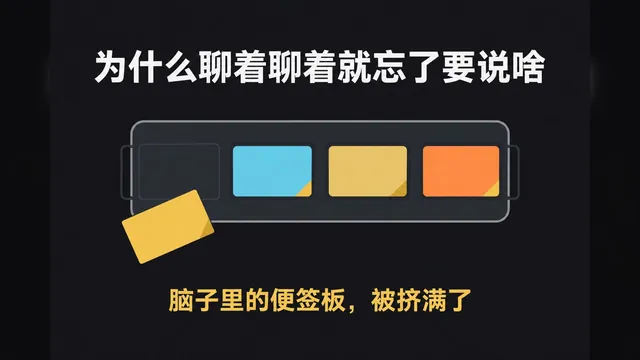
Last stop: a craving fades on its own, as long as the movie stops. A small British study: thirty-one students logged their cravings for a week. Whenever a craving hit, half of them played three minutes of a block-stacking game. Their cravings dropped from seventy points to fifty-six. Stacking blocks takes up the very screen the movie plays on.
So that's how you crave when you're not hungry. It's not weak willpower, and usually not your body missing something. It's a memory that got hooked out and keeps growing in your head. Next time a craving hits, play three minutes of blocks first, then decide. Come back and tell me: out of ten, how much do you still want that bubble tea?
3 p.m., and a bubble tea pops up
You just had lunch and you're not hungry at all. A coworker mentions a new bubble tea shop downstairs, and a second later, that cup is in your head.
Almost everyone gets cravings.
A survey of over a thousand college students in North America — who had craved a particular food:
Follow one craving through four stops
The movie plays from your memory
In an American experiment, people drank nothing but the same vanilla nutrition shake for a day and a half, then lay in a brain scanner thinking about favorite foods. What lit up included a memory area.
The same areas light up when people crave cigarettes or alcohol.
The more monotonous your meals, the more often the movie plays. In a Japanese study, people kept off rice for a while craved rice even more.
Wanting isn't liking
The push comes from a chemical called dopamine. American scientists bred mice with 70% more dopamine than ordinary mice:
Mice aren't people, but it explains something familiar: you crave it like crazy, take a sip, and it's just okay.
Three minutes of blocks shrink the movie
In a small British study, 31 students logged their cravings for a week. Whenever a craving hit, half of them played three minutes of a block-stacking game.
Cravings dropped from 70 points to 56.
Stacking blocks takes up the very "screen" the movie plays on. It was a small study — an interesting start, not the last word.
It's not weak willpower
Quick check
You just ate, yet suddenly crave bubble tea. What's mainly going on?
A craving is a movie playing from memory; the more vivid it is, the stronger the craving, and stacking blocks takes over that screen.