Missed the tickets?
Not your slow fingers
Can't play sound? The illustrated version is right below.
Read the transcript
The full narration of the video.
Your finger is still on the button, and a scalper's software has already paid. Tickets go on sale at eight. You don't waste a second, and the page still says: sold out. Tickets don't just vanish. Someone bought them. And some of those buyers weren't people at all, but programs.
A couple of years ago, police in Zhenjiang, China, broke up a scalping ring. Its leader was a former software developer who wrote his own ticket-grabbing app and loaded it onto more than two hundred phones. In about a year and a half, they grabbed over sixty thousand concert tickets and made more than sixteen million yuan.
So what makes it so fast? Picture a big supermarket sale, doors opening at eight. You walk in, grab a cart, browse the aisles, find the item, then line up at the checkout. The software skips the aisles. Prosecutors said it jumped past the show's info page, straight to payment.
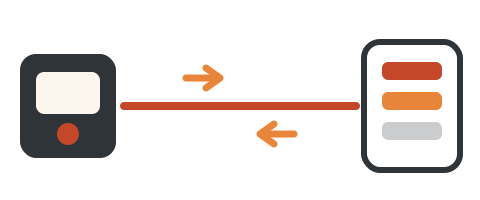
You see the button, reach, and tap. That takes a fraction of a second. The software fires right on time, in milliseconds. Worse, it has stand-ins. You have two hands and one account. He had two hundred phones logged in and ordering at once. Its real name is a ticket bot. It's no metal robot, just a program that taps buttons for you.
The aisles are the info pages, the checkout is the payment page, and every stand-in is an account. Still, bots aren't the whole story. Far more people want to go than there are seats. In 2022, a superstar's presale in the U.S. hit the ticketing site with three and a half billion requests, four times its previous peak.
The site said that flood was both bots and real fans. Platforms keep upgrading their systems. But reports say every time the platform updated, he updated his app. In a race for speed, people lose. What works is making speed useless.
Since 2023, big shows in China with over five thousand seats sell tickets by real name. One ID buys one ticket per show, and the buyer is the one who walks in. So scalpers switched to grabbing on your behalf. They want your account and ID, and that's how personal data leaks. In the Zhenjiang case, five people have already been sentenced.
So missing out isn't about slow fingers. If hot concerts all switched to a lottery, would you sign up, or still race for it?
In one line
Two hundred phones grabbed over 60,000 concert tickets in about a year and a half.
That was a scalping ring police broke up in Zhenjiang, China. Its leader was a programmer who wrote his own ticket app. Your finger is still on the button, and software like that has already paid.
Picture a big
supermarket sale
Match them up: the aisles are the show info pages, the checkout is the payment page, and every stand-in is an account.
Three things
make it fast
Its real name is a ticket bot. It is no metal robot, just a program that taps buttons for you.
Bots aren't
the whole story
In a race for speed, people lose. What works is making speed useless: with real-name tickets, one ID buys one ticket per show.
One thing
not to do
You were racing 200 phones.
Quick check
Why are scalpers' ticket bots faster than people?
Like a supermarket sale: you browse the aisles with a cart, while the bot skips them, runs to checkout, and brings 200 stand-ins.