
Can't play sound? The illustrated version is right below.
The full narration of the video.
Two cups, exactly the same size, on a scale. The one on the left is over forty percent lighter. The light one is titanium. The heavy one is stainless steel. So what's really different? Let's put these two cups through a few little tests.
First, cut a one-centimeter cube from each. The steel cube weighs almost eight grams. The titanium cube, just four and a half. Same size, and titanium is over forty percent lighter. Hiking or traveling, a titanium cup is easier to carry. Test two: rust. Leave iron somewhere damp, and in days it turns red with rust.
Yet these two cups can go for years without rusting. The secret is an invisible film on the surface. Stainless steel has a metal called chromium mixed in. When chromium meets air, it forms a thin film that wraps the iron. Scratch it, and the film heals itself. Titanium does it all by itself. The moment it meets air, it puts on its own film. When it first forms, it's tens of thousands of times thinner than a hair.
That film is so stable, it can even go inside the human body. Many artificial joints and dental implants are made of titanium. Test three: pour in hot water, and see which stays warm longer. The answer might surprise you. How well a cup keeps heat barely depends on the metal.
An insulated cup has two walls. The air between them is pumped out, so heat has a hard time escaping. Titanium or steel, as long as there is a vacuum, both keep drinks hot. With just one wall, either one gets too hot to hold. Last test: the price tag. Titanium cups usually cost a lot more.
The odd thing is, titanium isn't rare at all. It's the ninth most common element in Earth's crust. The cost is in getting it out. In rock, titanium clings tightly to oxygen. Pulling it free takes high heat, one batch at a time — slow and expensive. Does water taste different? No reliable study shows it does. Keeping the cup clean matters more than the metal.
So, back to those two cups. Carrying it a long way? Go light, go titanium. Using it at your desk every day? The cheaper steel cup does the job. What else around you makes you wonder what it's made of? Tell me in the comments.
Cut a one-centimeter cube from each:
When you're hiking or traveling, every gram counts — that's titanium's biggest advantage.
Stainless steel has a metal called chromium mixed in (at least about a tenth). When chromium meets air, it forms an ultra-thin film that wraps the iron inside, like an invisible raincoat that mends itself.
Titanium needs no help: the moment it meets air, it grows its own film. When new, it's just 1–2 nanometers thick — tens of thousands of times thinner than a hair.
That film is so stable, titanium can even go inside the body: many artificial joints and dental implants are made of it.
An insulated cup has two walls, with the air between them pumped out (a vacuum). With no air to carry it, heat has a hard time escaping.
So titanium or steel, as long as there's a vacuum, both keep drinks hot. With a single wall, either one gets too hot to hold.
Titanium isn't rare at all — it's the ninth most common element in Earth's crust. The cost is in getting it out: in rock it clings tightly to oxygen, and freeing it takes high heat, one batch at a time. Slow and expensive.
Sellers often say so, but we found no reliable study showing the two cups taste different. A clean cup matters more than the metal.
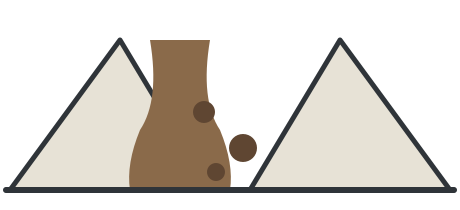
Not just "too much water": a whole gully of rock, mud and water that moves like wet concrete. What it is, the warning signs, and which way to run.

A place where you can go in but never come out, not even light. What it is, why nothing escapes, how we 'heard' two collide, and why Earth is safe.

The ten cloud types, learned through five Latin roots and a three-story sky: why "alto" clouds aren't the highest and which one brings thunder and hail.
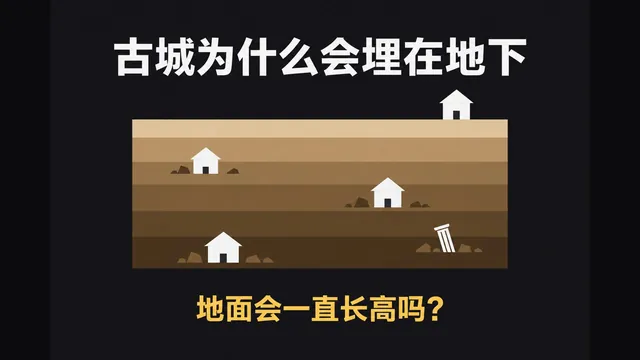
Cities get buried by layers piling up in place: rebuilding on ruins, volcanic ash, floods and sand. Will the ground reach space? No, Earth's surface works like a slow conveyor belt.