Can't play sound? The illustrated version is right below.
The full narration of the video.
Every video you watch is a single file. But the people who make it keep something else. It's called a video project. Think of it this way. The finished video is like an exported PDF. The project is the PowerPoint file you can still edit. A project is a folder where everything is kept separate.
There's the picture, the voice, the music and sound effects, and the subtitles. Most important is the recipe: which second each piece appears, how long it stays, and how they stack. Interestingly, the recipe doesn't copy the materials. It just remembers where they're stored on the computer.
So what does exporting do? It presses all these layers down into one video file. Then it's slimmed down, so it plays on phones and uploads online. But a finished video can't be pulled back apart into layers. Just like a PDF is hard to turn back into slides.
So to change something, you go back to the project. To fix one line, you re-record just that line. Need wide and vertical versions? Export both from one project. Need another language? Keep the picture and music, and swap only the voice. One trap: move the materials, and the project can't find them. So keep the whole folder together and move it as one.
So keep the finished video, and keep the project too. The video is for others to watch; the project is for your future self to change.
The finished video is like an exported PDF.
The video project is the
PowerPoint file you can still edit.
Or think of it this way: the video is the dish on the table; the project is every ingredient plus the recipe.
Interestingly, an editing app's "recipe" doesn't copy your materials. It just remembers where they are on your computer.
It presses every layer into one video file.
Like stacking several transparent sheets and pressing them into one. Then the file is slimmed down so it plays on phones and uploads online.
A real example: the English voice on this site's videos is made by taking the English script from each project and re-voicing it. The picture and music stay the same, and it's done in minutes.
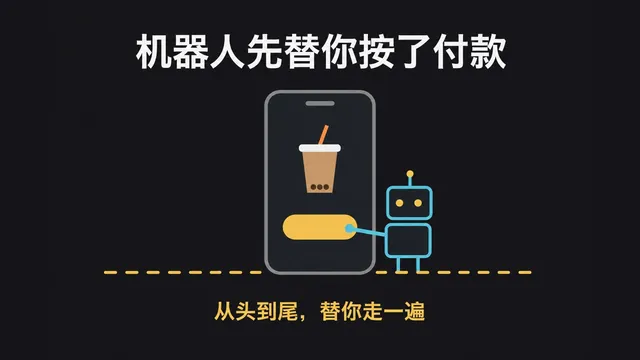
A robot walks the whole path like a real user and checks the result. What end-to-end testing is, and why teams use only a few.
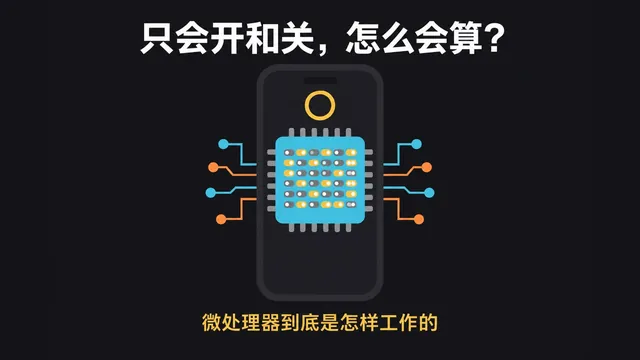
Billions of tiny on/off switches follow a list, one line at a time: fetch, understand, do — billions of beats a second.
Using a sign-up page for a seafood dinner: walls, paint, switches, a shared notebook and a street address, no code required.
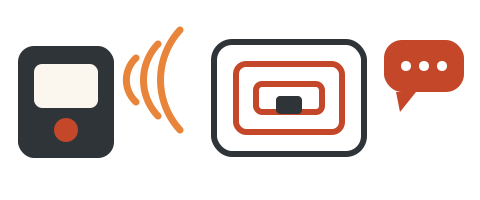
Key cards, hotel cards and anti-theft tags are the same trick: a battery-free tag that shouts its number back when a reader pings it.