Can't play sound? The illustrated version is right below.
The full narration of the video.
A viewer asked: plain water, mineral water, electrolyte drinks — which should I drink? A whole shelf of bottles, all different. But what your body needs most is the same in every one: the water itself. The only difference is what's been added. Mineral water has a few extra minerals; electrolyte drinks add salt, and often sugar.
Let's follow one person through a day, and see which bottle fits each moment. Morning. Your mouth is a little dry. A glass of cooled boiled water is all you need. China's dietary guidelines suggest: about 1.7 liters a day for men, 1.5 for women. Roughly seven or eight glasses.
The top picks are plain water and weak tea. No sugar, nothing extra. Noon. You're buying a bottle. Purified or mineral — which is better? Mineral water has a bit more calcium and magnesium. But most of what you need comes from your food.
Both are covered by national standards, and experts say neither is better. Pick the one you like. Evening. A half-hour run, and you're sweaty. Time for an electrolyte drink? No need. Harvard's school of public health says: for under an hour of moderate exercise, plain water is best.
The bit of salt you sweated out comes back with your next meal. On average, people in China eat about 9 grams of salt a day; the advice is around 5. We already eat too much. Drink electrolyte drinks like water every day, and you're just adding more salt and sugar.
So when do electrolyte drinks actually help? Two times. One: on a hot day, after an hour or two of hard exercise or heavy work, when the sweat just won't stop. Two: vomiting or diarrhea. Water and salt are both pouring out, so you put both back.
If you have kidney or heart problems, ask your doctor how much and what to drink. So: day to day, plain water or weak tea. Purified or mineral, your choice. Save electrolyte drinks for heavy sweating and sick days. Here's something to try today: glance before you flush. Pale yellow, you're drinking enough. Dark yellow, time for water.
So, now you know which bottle to grab? Got another question? Leave it in the comments.
What your body needs most
is the water itself.
The only difference is what's been added. Mineral water carries a little extra calcium and magnesium; electrolyte drinks add salt, and often sugar. Let's follow one person through a day and see which bottle fits each moment.
China's dietary guidelines suggest that, in mild weather and with light activity, adult men drink about 1.7 liters a day and women about 1.5 liters. Drink more when it's hot or you sweat a lot.
The top picks are plain water and weak tea: no sugar, nothing extra. In China, plain water usually means tap water boiled and left to cool. A glass at a time, spread through the day.
Mineral water has a bit more calcium and magnesium. But most of what you need each day comes from your food, not from what you drink.
In China, purified water and natural mineral water each have their own national safety standard. Quality inspectors put it simply: neither is better. If it meets the standard, it's fine to drink.
Harvard's School of Public Health says: for under an hour of moderate exercise, plain water is best. The bit of salt you sweat out comes back with your next meal.
Besides, most of us already eat too much: people in China average about 9 grams of salt a day, against advice of around 5. Drink electrolyte drinks like water every day, and you're adding more salt, and often more sugar.
If you have kidney or heart problems, ask your doctor how much and what to drink. Kids don't need sports drinks for everyday play.

Most homes just bicker: the brain's gas pedal arrives before its brakes, friends raise the thrill, the body clock shifts, and teens want the wheel.
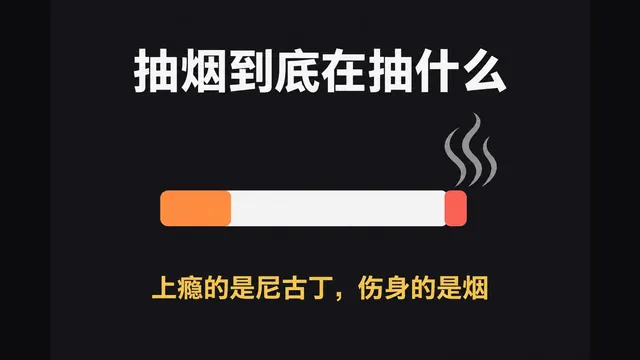
Nicotine hooks you; the smoke harms you. Why a cigarette feels relaxing, whether one a day is OK, what quitting does, and why it's hard.
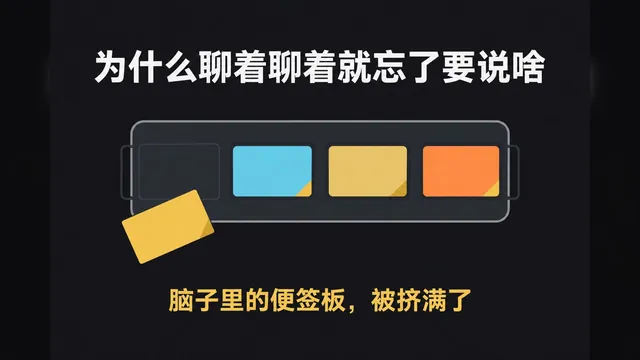
It isn't your brain breaking: the thought sits on a tiny mental sticky-note board that gets crowded in conversation, and a new topic turns the page. Plus three small tricks.

It isn't carelessness: your brain hands words to your fingers one at a time and races ahead, so one never arrives. Then it fills the gap when you reread. How to catch it.