
Can't play sound? The illustrated version is right below.
The full narration of the video.
Halfway through, you suddenly forget what you meant to say. Don't panic: your brain isn't broken. Almost everyone does this. It happens more when you're tired, stressed, or distracted. A thought you're about to say sits on a tiny sticky-note board in your head.
It's small: it holds only about four things at once. And if you stop paying attention, the writing fades within seconds. In a conversation, that board gets crowded. You're listening, planning your next sentence, and reading the other person's face. One new remark from them, and your note gets pushed off.
There's another case: when the topic turns, your brain turns a page. The thought on the last page is suddenly hard to find. Scientists found that walking through a doorway makes people forget what they came to do. A doorway works like turning a page, cutting memories into chapters. So where did the thought go? Most likely it isn't gone; you just can't reach it for now.
That's why it often pops back on its own a little later. Three small tricks. First, repeat one keyword in your head to pin the note down. Second, jot two words on your phone or a scrap of paper. Third, rewind to what you were talking about a moment ago.
If it keeps getting more frequent, and you forget familiar things too, talk to a doctor. Forgetting a line now and then just means your board is busy. And maybe what they said was worth hearing more than yours anyway.
The thing you meant to say sits on a tiny sticky-note board in your head.
In a chat the board is crowded,
and one new remark pushes it off.
The good news: the thought usually isn’t gone, just out of reach for now. That’s why it often pops back later.

It isn't carelessness: your brain hands words to your fingers one at a time and races ahead, so one never arrives. Then it fills the gap when you reread. How to catch it.
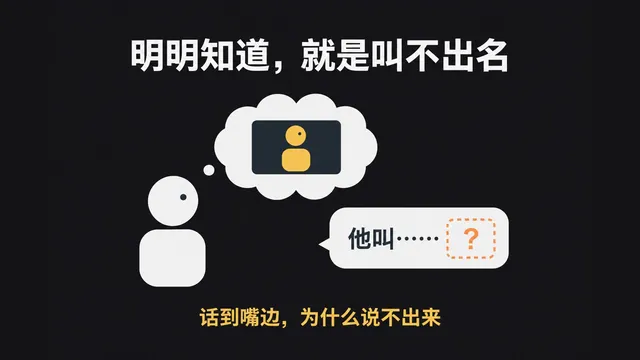
You know the word but can't say it: your brain found the meaning, but the path to its sound is overgrown.

That morning pee isn't water from nowhere. Your kidneys filter your blood all night, just slower, and the bladder fills up by morning.
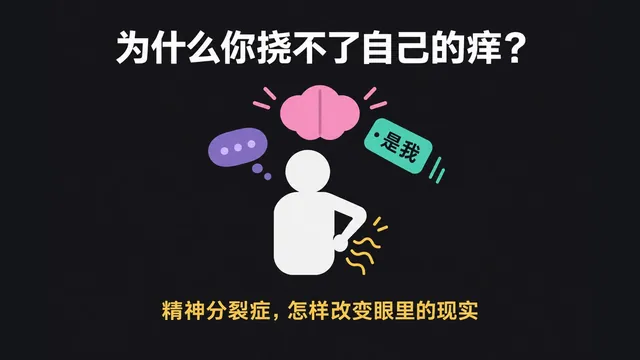
Your brain tags every feeling as 'me' or 'not me' and flags what matters. When those get scrambled, inner words sound like voices and ordinary things feel like signals.