
Can't play sound? The illustrated version is right below.
The full narration of the video.
You peed right before bed and didn't drink a drop after. Yet you wake up bursting to go. So where did all that water come from? The answer: it was already inside you. About sixty percent of an adult's body is water. The water you drank during the day, the soup, the water in your food, all of it goes into your blood and travels around your body.
Your kidneys are like a water filter that never switches off. Every minute, they filter about half a cup of blood, pulling out the extra water and waste, and turning it into urine. The urine trickles down two thin tubes into your bladder. Your bladder is like a soft bag that holds it for now. Here's the key: when you fall asleep, your kidneys don't clock out. They just slow down.
At night, your brain releases more of a hormone that says: make less urine, keep the water in the body. It's like turning a tap down, but not all the way off. For young people, less than a fifth of a whole day's urine is made at night. If you pee one and a half liters a day, a fifth is three hundred milliliters, about a big glass. There's more water hiding in your legs. When you stand or sit all day, some water slowly settles in your legs and feet. Once you lie down, it flows back into your blood, and your kidneys turn it into urine too.
Over seven or eight hours, it adds up, bit by bit, until the bag is full. The moment you wake up, you feel it. So that morning pee isn't water out of nowhere. It's yesterday's drinks and meals, tidied up by your kidneys overnight. As we get older, that hormone drops, and we make more urine at night. If more than a third of your daily urine comes at night, doctors call it nocturnal polyuria, and it's worth asking about.
Next time you rush to the bathroom in the morning, remember: you were asleep, but your kidneys worked all night.
That morning pee isn't water from nowhere. It's what you drank and ate yesterday, filtered out bit by bit by your kidneys overnight.
Put simply: peeing before bed only empties the bag. The tap is still running.
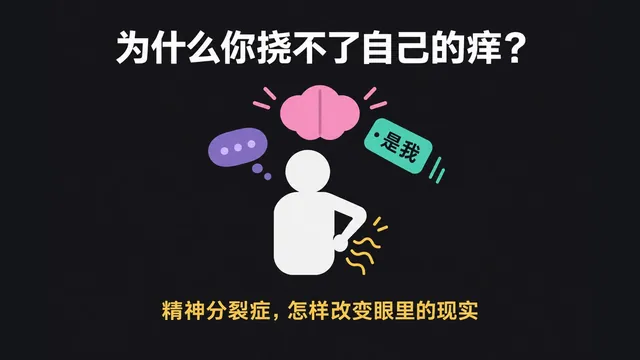
Your brain tags every feeling as 'me' or 'not me' and flags what matters. When those get scrambled, inner words sound like voices and ordinary things feel like signals.

One second of shouting puts your whole body to work: a brain alarm, a rush of adrenaline, slamming vocal cords, even extra strength.

An invisible line normally separates "me" from the world. Ego dissolution is when that line fades for a while — and why it can feel calm or terrifying.

The fun of drinking is real, but it's a loan. Is a little good for you, what a red face means, why quitting is hard, and how to stop safely.