Afraid of your own peripheral vision?
Can't play sound? The illustrated version is right below.
Read the transcript
The full narration of the video.
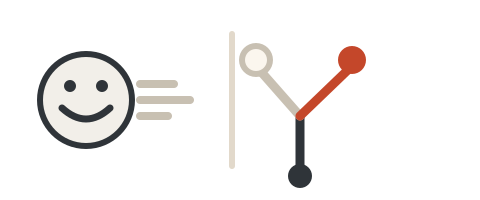
Someone moves at the edge of your vision, and you can't sit still? In study hall, the kid next to you turns a page, jiggles a leg. You're staring at the problem, but the corner of your eye keeps getting pulled away. Some people have it the other way around, worried their side glance makes others feel spied on.
Online, people call it peripheral vision phobia. It isn't an official diagnosis; you won't find that name in the medical manuals. But the struggle is real. Japanese psychiatrists described it long ago as fear of one's own gaze, a kind of social anxiety. To make sense of it, look at what your side vision does all day.
Your eyes see sharp detail only in a tiny spot at the center. All around it is peripheral vision, blurry on detail but very quick to catch movement. It works like the smoke alarm at home. Reading or cooking, it stays on, and the moment something stirs, it beeps so you'll take a look. Out in the wild, that kept us alive. A rustle in the grass, and you knew to duck before you even turned your head.
For most people, the alarm beeps once and that's it. For people with this problem, it's as if the sensitivity is cranked all the way up. The brain treats the person beside you as something to keep an eye on: Are they looking at me? Am I looking at them? The tenser you get, the more your attention slides to the corner of your eye, and the more the alarm goes off.
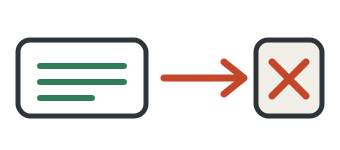
So can you just force yourself not to look? Try this right now: for the next five seconds, don't think about a white bear. Did the white bear keep showing up anyway? Psychologists actually ran this experiment. People told not to think of a white bear later thought of it even more than people who were never told.
Push it down, and it pops back up. Side vision works the same way: the more you tell yourself not to look, the harder your eye gets pulled. In psychology, it's called gaze anxiety: afraid to look at people, and afraid of being looked at. The alarm is your peripheral vision. What turns up the sensitivity is a voice inside: What will they think of me?
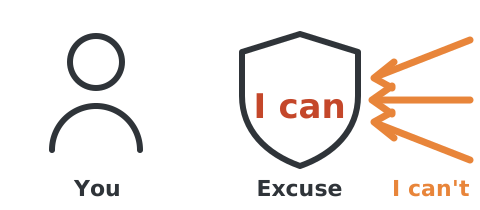
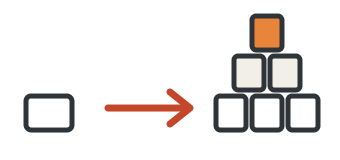
So don't fight it. When someone moves beside you, tell yourself: Yep, someone moved. Then bring your eyes back to the task in your hands. Point your pen at the words you're reading, or read them softly aloud, and that sharp center spot has a job to do. If it's already keeping you out of class or work, or up at night, visit a hospital's mental health clinic. A common approach is cognitive behavioral therapy, practicing bit by bit to fear it less; follow your doctor's advice.
It isn't your eyes that are broken; the alarm just works too hard. Where does your eye get pulled away most: in class, in the library, or on the subway?
In one line
Your side vision is a smoke alarm for movement. When you are tense, it gets set too sensitive.
That name is not
in any medical manual
In short: the name is from the internet, the trouble is real.
What your side
vision is for
Try it: for five seconds,
don't think of a white bear
Psychologists ran this experiment: people told "don't think of a white bear" ended up thinking of it more often.
The harder you push a thought down, the more it pops up. Your eyes work the same way: the more you tell yourself "don't look", the more they get pulled.
So what helps
Quick check
Psychologists told people "don't think of a white bear". What happened?
Pushing a thought down makes it pop up more. Eyes do the same: tell yourself not to look, and they get pulled harder.