
Can't play sound? The illustrated version is right below.
The full narration of the video.
Clouds seem to come in endless shapes. So how many kinds are there? The World Meteorological Organization's answer is: ten. You don't need to memorize ten names. You only need five characters.
Start with shape. Ji means heaped, puffy, like piled-up cotton. Ceng means a flat, wide layer, like a blanket over the sky. Juan means wispy, thread-like, like strands of hair.
Then add two more. Gao means the middle of the sky. Yu means it brings rain. Now picture the sky as a three-story building. In the temperate zone, the first floor runs from the ground to two kilometers.
Here live cumulus, stratus, stratocumulus, and cumulonimbus. The second floor, about two to seven kilometers. Altocumulus and altostratus live here. So does nimbostratus. The third floor, about five to thirteen kilometers. Home to cirrus, cirrocumulus, and cirrostratus.
It's so cold up there that cirrus is made almost entirely of ice crystals. Watch out for one trap: clouds named "gao", meaning high, live on the second floor. They're not the highest. The highest ones are the "juan" clouds.
Two kinds grow upward. Cumulus and cumulonimbus stand on the first floor, but their tops can reach the floors above. The top of a cumulonimbus often flattens out like an anvil. Thunder, lightning, hail — that's this cloud. Nimbostratus is one thick grey sheet that hides the sun, with rain or snow that keeps on falling.
Each of the ten can be split further — about a hundred combinations in all. Next time you look up, check the shape: heaps, a sheet, or wisps? Then check how high it is. And you'll know its name.
Ten kinds. Learn five word roots and you can name them all.
This is the system in the World Meteorological Organization's International Cloud Atlas, which weather observers in every country use to record clouds.
Three roots describe shape: cumulus, stratus, cirrus. Two describe height and weather: alto, nimbus. All ten cloud names are built from these five.
For example, "Stratocumulus": a big sheet in which you can still see separate blobs.
Floor 3 is the coldest. Cirrus clouds are almost entirely tiny ice crystals.
These are rough heights for temperate regions. The floors overlap. Nearer the equator everything sits higher, and Floor 3 can reach 18 km. Near the poles it is only 3–8 km.
The ten can be split further, adding up to about 100 combinations. Knowing these ten is enough for a lifetime.
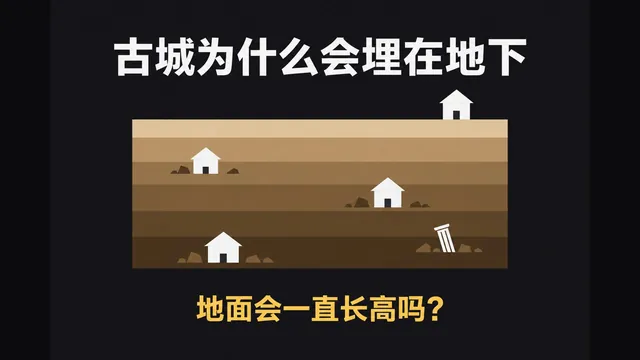
Cities get buried by layers piling up in place: rebuilding on ruins, volcanic ash, floods and sand. Will the ground reach space? No, Earth's surface works like a slow conveyor belt.
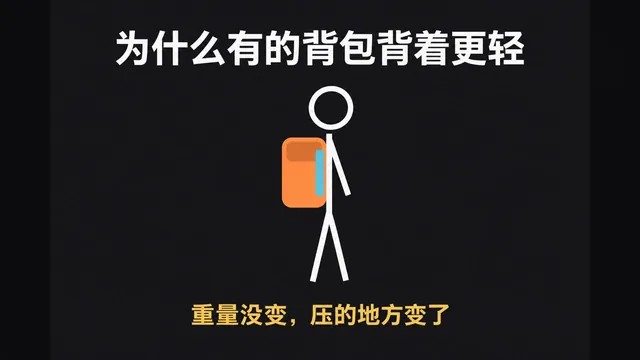
Same laptop, new bag, and it feels lighter. The weight didn't change: a good pack keeps it close, puts it on your hips, spreads it out, and stops it swinging.
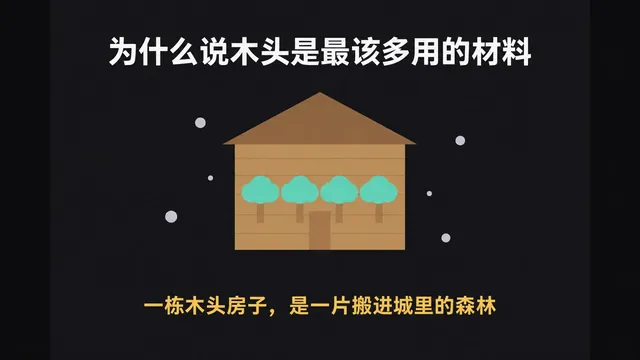
A cubic metre of wood holds about a tonne of CO2. Swap some cement and steel for wood and buildings store carbon instead of releasing it — if the trees are replanted.
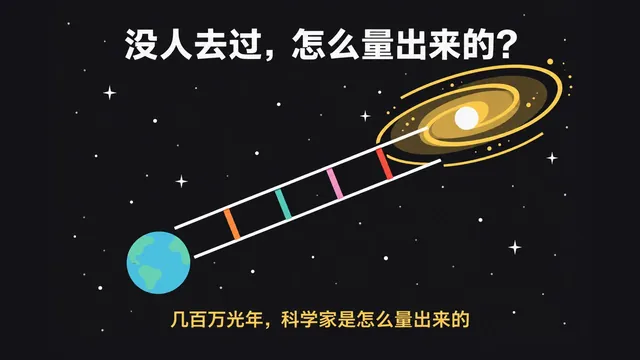
No one has been to Andromeda and no ruler reaches that far. Astronomers built a four-rung ladder that starts with your thumb.